


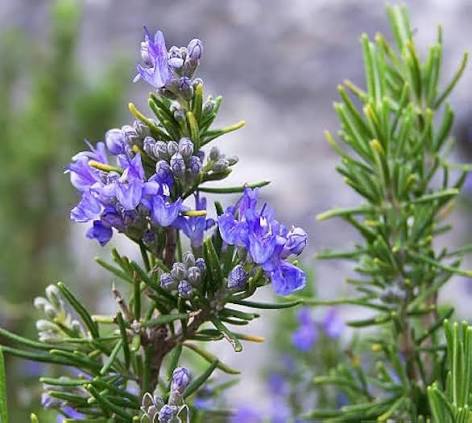
Key Features
- Produces aromatic foliage and small flowers with a classic rosemary-like garden appearance.
- Hardy, evergreen perennial herb with a naturally upright and branching growth habit.
- Ideal for herb gardens, containers, borders, cottage gardens, rock gardens, and landscapes.
- Performs best in full sun and well-drained soil.
- Attractive choice for gardeners seeking an aromatic, low-maintenance perennial herb.
Growing Benefits
- Adds fragrance and year-round foliage to suitable garden spaces.
- Works well in containers, herb gardens, borders, and sunny landscapes.
- Established plants can tolerate relatively dry conditions.
- Provides ornamental flowers that complement the aromatic foliage.
- Useful for creating Mediterranean-style garden displays.
Seed Specifications
- Common Name: Rosemary
- Botanical Name: Salvia rosmarinus
- Plant Type: Evergreen perennial herb
- Colors: Flowers commonly appear blue, purple, pink, or white depending on variety
- Height: Varies by cultivar and growing conditions
- Sunlight: Full sun
- Soil: Well-drained, sandy or loamy soil
- Water: Moderate during establishment; allow soil to dry between watering once established
- Germination Time: Approximately fourteen to twenty-eight days under favorable conditions
- Sowing Depth: Surface sow or cover very lightly
- Spacing: Allow adequate room according to mature plant size
- Growing Zones: Generally hardy in USDA Zones eight through ten, with cultivar and climate differences
- Flowering/Maturity: Flowers mainly during the warmer growing season, with timing varying by climate and variety
- Uses: Herb gardens, containers, borders, rock gardens, landscaping, fragrance gardens, and culinary gardens
Growing Tips
- Start seeds in a well-draining growing medium and keep them lightly moist.
- Give seedlings plenty of bright light once they emerge.
- Avoid overwatering because rosemary prefers well-drained growing conditions.
- Transplant carefully after young plants become established and outdoor conditions are suitable.
Seed Storage
Store unused seeds in a cool, dry, dark location. Keep them sealed in their original packet or an airtight container. Protect them from moisture, heat, and direct sunlight.
Unique Facts About Seeds
- Rosemary is now botanically classified as Salvia rosmarinus and belongs to the mint family, Lamiaceae.
- Rosemary is an evergreen perennial herb with aromatic, needle-like leaves.
- Its small flowers are attractive to pollinating insects.
- Rosemary has a long history as both an ornamental and culinary herb.