


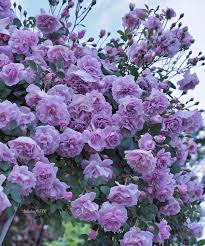
Key Features
- Produces attractive rose-style blooms in soft lavender and purple tones.
- Adds elegant color and ornamental appeal to flower beds and garden borders.
- Suitable for containers, cottage gardens, landscape beds, and cut-flower displays.
- Prefers full sun and fertile, well-drained soil for healthy growth.
- A distinctive flower choice for gardeners who enjoy unusual lavender-colored blooms.
Growing Benefits
- Adds soft purple and lavender tones to outdoor spaces.
- Creates an attractive focal point in ornamental gardens.
- Suitable for containers, borders, and mixed flower beds.
- Works well in cottage-style garden designs.
- Provides decorative flowers for seasonal bouquets and arrangements.
Seed Specifications
- Common Name: Lavender Rose
- Botanical Name: Rosa spp.
- Plant Type: Flowering perennial shrub
- Colors: Lavender, lilac, and purple shades
- Height: Varies according to rose type and growing conditions
- Sunlight: Full sun
- Soil: Fertile, well-drained soil
- Water: Regular and moderate; avoid waterlogged soil
- Germination Time: Variable and often slow
- Sowing Depth: Cover lightly with growing medium
- Spacing: Depends on the mature size of the rose variety
- Growing Zones: Varies according to species and cultivar
- Flowering/Maturity: Variable; seed-grown roses may require more than one growing season to flower
- Uses: Flower beds, borders, containers, cottage gardens, landscaping, and cut flowers
Growing Tips
- Choose a sunny location with fertile, well-drained soil.
- Sow seeds shallowly and cover them with only a light layer of growing medium.
- Keep the growing medium evenly moist without allowing it to become soggy.
- Give seedlings sufficient space and airflow as they develop.
Seed Storage
Store unused seeds in a cool, dry, dark location. Keep them sealed in their original packet or an airtight container. Protect them from moisture, heat, and direct sunlight.
Unique Facts About Seeds
- Roses belong to the genus Rosa and the Rosaceae family.
- Lavender and purple rose colors are associated with naturally occurring pigments in rose petals.
- Roses grown from seed may differ from the parent plant, particularly when the source is a hybrid.
- Seed-grown roses generally take longer to reach flowering size than established nursery plants.