


Key Features
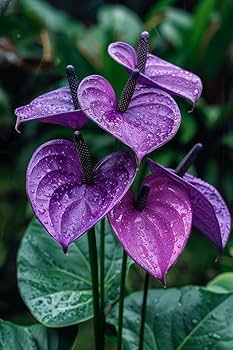
- Produces ornamental Anthurium plants with distinctive heart-shaped foliage and colorful floral structures.
- Lavender-toned blooms offer an unusual, elegant appearance for tropical plant collections.
- Upright tropical growth makes it attractive for indoor displays, conservatories, and sheltered outdoor gardens.
- Prefers warm, humid conditions with bright, indirect light and well-draining growing media.
- Seed-grown Anthuriums can show natural variation in flower color, form, and plant characteristics.
Growing Benefits
- Adds an exotic tropical character to indoor plant collections.
- Provides an interesting growing project for patient flower gardeners.
- Attractive foliage remains ornamental even between flowering periods.
- Suitable for containers, conservatories, and warm sheltered growing spaces.
- Seed-grown plants offer the excitement of watching a tropical plant develop from seed.
Seed Specifications
- Common Name: Lavender Anthurium, Flamingo Flower
- Botanical Name: Anthurium spp.
- Plant Type: Tropical perennial ornamental plant
- Colors: Lavender-toned floral structures with green foliage
- Height: Varies considerably by species and hybrid; commonly compact to medium-sized
- Sunlight: Bright, indirect light or filtered sunlight
- Soil: Loose, airy, well-draining, moisture-retentive growing medium
- Water: Keep the medium lightly and consistently moist; avoid waterlogging
- Germination Time: Variable; fresh seed and warm, humid conditions are important
- Sowing Depth: Sow very shallowly and lightly cover with growing medium
- Spacing: Give seedlings enough room for developing roots and foliage
- Growing Zones: Best suited to USDA Zones ten through eleven outdoors; grow indoors elsewhere
- Flowering/Maturity: Seed-grown plants require patience and may take several years to reach flowering maturity
- Uses: Indoor displays, tropical plant collections, conservatories, sheltered gardens, and ornamental containers
Growing Tips
- Use fresh seed whenever possible because Anthurium seeds can lose viability during storage.
- Keep the growing medium moist but airy to reduce the risk of seed and root problems.
- Provide warmth, humidity, and bright filtered light during early development.
- Protect young seedlings from direct midday sunlight and sudden temperature changes.
Seed Storage
Anthurium seeds are best sown fresh because viability can decline when seeds are allowed to dry or remain stored for long periods. If temporary storage is necessary, keep seeds in a cool, protected place according to the supplier's seed-handling instructions. Avoid prolonged exposure to heat and drying conditions.
Unique Facts About Seeds
- Anthurium is a large tropical genus containing many species with different flower forms and growth habits.
- What is commonly called the Anthurium flower is actually a specialized floral structure called an inflorescence.
- The colorful heart-shaped part is generally a spathe, while the tiny true flowers are arranged along the central spadix.
- Seed-grown Anthuriums may not reproduce exactly like the parent plant, particularly when the seeds come from hybrids.