Skip to product information
1 of 2

EdenValleySeeds

Kentucky Bluegrass Seeds for Planting – Cool-Season Lawn & Garden Grass Seed

Kentucky Bluegrass Seeds for Planting – Cool-Season Lawn & Garden Grass Seed

No reviews yet
Regular price $20.79 USD
Regular price Sale price $20.79 USD
Sale Sold out
Size
Quantity
Free shipping on every order Order today and estimated delivery is Sep 12 – Sep 15
Ordered Aug 28
Order Ready Aug 30 – Sep 01
Delivered Sep 12 – Sep 15
✓ Secure checkout ✓ Carefully packed seeds ✓ Tracked delivery ✓ Quality-focused selection

Bundle & Save

Choose a bundle to unlock savings

Up to 20% off

Select a bundle to see your savings

View full details

Key Features

  • Classic cool-season grass known for its fine, attractive green blades.
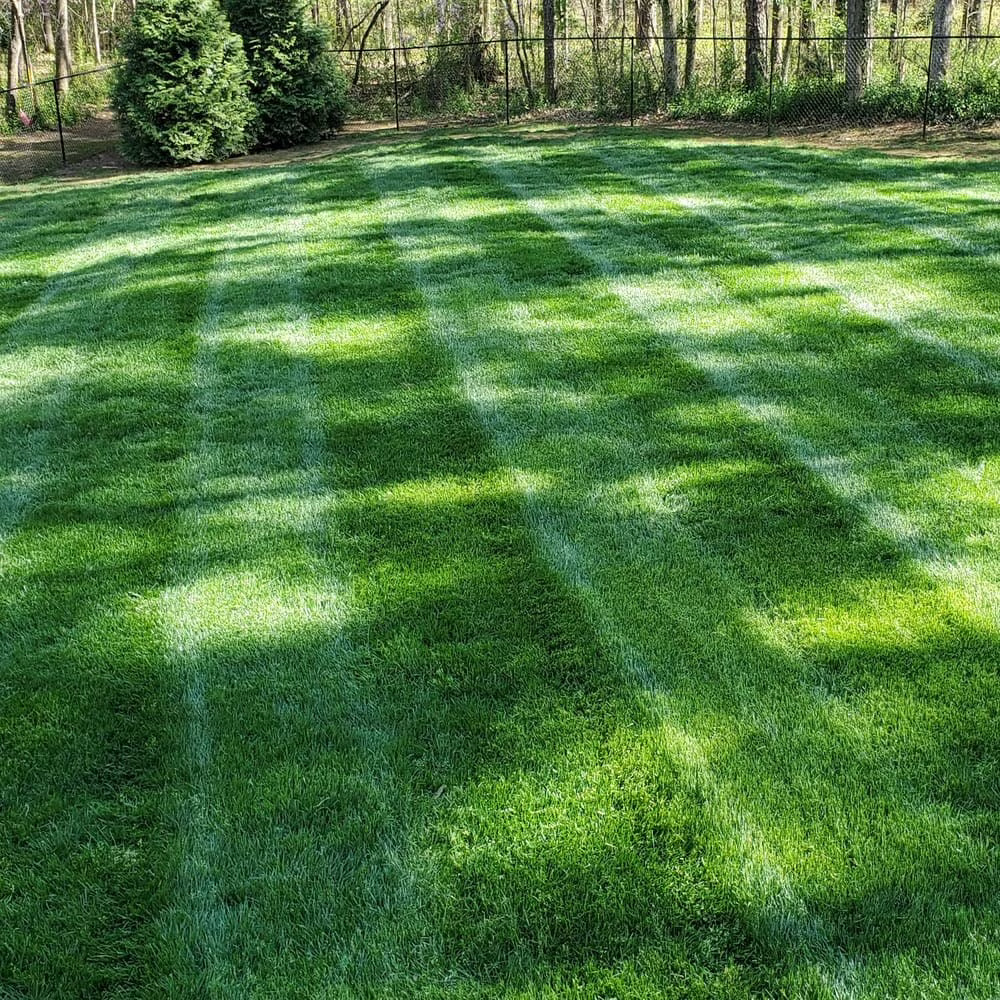
  • Forms a dense, durable turf suitable for lawns, gardens, and recreational areas.
  • Performs best in sunny locations with well-drained, fertile soil.
  • Spreads naturally through underground rhizomes, helping create a thick lawn.
  • Well suited to regions with cool winters and moderate summers.

Growing Benefits

  • Creates a lush, uniform lawn with proper care.
  • Naturally spreads to help fill thin areas over time.
  • Develops a resilient turf that can tolerate regular foot traffic.
  • Provides an attractive green appearance during favorable growing conditions.
  • Works well for home lawns, open garden spaces, and turf areas.

Seed Specifications

  • Common Name: Kentucky Bluegrass
  • Botanical Name: Poa pratensis
  • Plant Type: Cool-season perennial grass
  • Colors: Green to dark green foliage
  • Height: Typically grows about eight to twelve inches when unmowed
  • Sunlight: Full sun to partial shade
  • Soil: Fertile, well-drained soil with moderate moisture
  • Water: Regular moisture, especially during establishment and dry periods
  • Germination Time: Generally about fourteen to thirty days under suitable conditions
  • Sowing Depth: Very shallow; press seeds into the soil or cover lightly
  • Spacing: Broadcast evenly over the prepared planting area
  • Growing Zones: Generally suited to USDA Zones two through seven
  • Flowering/Maturity: Mature turf develops over the growing season; seed heads may appear when grass is allowed to grow tall
  • Uses: Home lawns, turf areas, garden spaces, parks, and recreational areas

Growing Tips

  • Prepare a smooth, weed-free seedbed before sowing for better seed-to-soil contact.
  • Sow seeds very shallowly because Kentucky bluegrass seed needs light and moisture near the soil surface.
  • Keep the planting area consistently moist during germination without creating standing water.
  • Mow regularly after establishment, removing only a small portion of the grass height at each mowing.

Seed Storage

Store unused seeds in a cool, dry place away from direct sunlight and moisture. Keep the seed packet tightly sealed in an airtight container when possible. Avoid areas exposed to heat or high humidity.

Unique Facts About Seeds

  • Kentucky bluegrass is a perennial cool-season grass native to parts of Europe and Asia and widely established in North America.
  • Its botanical name, Poa pratensis, identifies it as a species within the grass family Poaceae.
  • The grass spreads with underground rhizomes, allowing established plants to expand and recover from minor damage.
  • Kentucky bluegrass generally grows most actively during cool spring and fall weather.

Growing Instructions

Planting Season: Sow during the cool-season periods of spring or early fall when soil temperatures and moisture conditions are favorable. Early fall is often preferred because seedlings can establish before severe winter conditions.

Sowing: Prepare the soil by removing weeds, stones, and debris. Loosen the upper soil layer and level the surface. Broadcast the seeds evenly across the prepared area.

Depth: Press the seeds gently into the soil or cover them with only a very thin layer of fine soil. Avoid deep planting.

Spacing: Spread seeds evenly rather than planting in individual holes. Uniform distribution helps produce a more consistent lawn.

Sunlight: Choose a location receiving full sun for best growth. Kentucky bluegrass can tolerate some partial shade, although dense shade may reduce performance.

Soil: Use fertile, well-drained soil that retains adequate moisture without becoming waterlogged. Good soil preparation supports stronger establishment.

Watering: Keep the soil consistently moist during germination. Once established, water deeply as needed, allowing the surface to dry slightly between watering sessions.

Germination: Germination can take about fourteen to thirty days depending on soil temperature, moisture, seed quality, and growing conditions.

Transplanting: Kentucky bluegrass is normally grown directly from seed rather than transplanted. Avoid disturbing newly germinated seedlings.

Fertilizing: Apply a balanced lawn fertilizer according to soil conditions and the fertilizer label. Avoid excessive fertilizer, particularly during establishment.

Care: Control weeds while seedlings are young and maintain appropriate mowing practices after the turf becomes established. Regular watering and proper nutrition help maintain healthy growth.

Flowering/Maturity: Kentucky bluegrass is primarily grown as turf rather than for ornamental flowers. It develops mature turf gradually and may produce flowering seed heads if left unmowed.