


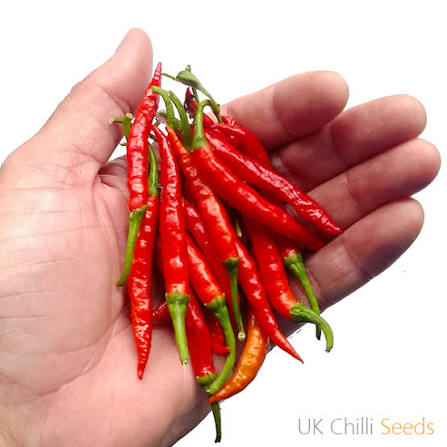
Key Features
-
Pepper Variety: Jati Jolokia, a chili pepper name associated with the northeastern Indian chili-growing tradition.
-
Fruit Color: Chili fruits may mature from green to red, depending on the variety.
-
Plant Characteristics: Warm-season pepper plant that grows best in sunny conditions.
-
Garden Uses: Suitable for home vegetable gardens and well-drained garden beds.
-
Culinary Uses: Chili peppers can be used in spicy dishes, sauces, and traditional recipes.
Growing Benefits
-
Grow fresh chili peppers for homemade meals and traditional cooking.
-
Add productive pepper plants to a sunny vegetable garden.
-
Observe flowering and colorful fruit development throughout the growing season.
-
Make use of garden beds or suitably sized containers.
-
Enjoy harvesting homegrown chilies when fruits reach the desired maturity.
Seed Specifications
-
Common Name: Jati Jolokia Chili
-
Botanical Name: Capsicum chinense or a related Capsicum type; confirm the exact identity with the seed supplier.
-
Plant Type: Warm-season chili pepper
-
Colors: Fruit color depends on the specific variety and maturity stage.
-
Height: Varies with genetics, climate, and growing conditions.
-
Sunlight: Full sun
-
Soil: Fertile, well-drained soil
-
Water: Regular watering; avoid waterlogged soil
-
Germination Time: Often around two to four weeks in warm conditions, but varies
-
Sowing Depth: Approximately one-quarter inch
-
Spacing: Around eighteen to twenty-four inches between plants as a general guideline
-
Growing Zones: Grown as a warm-season annual in many climates; frost-free conditions are preferred
-
Flowering/Maturity: Flowers develop into chili fruits; maturity depends on the variety and growing conditions
-
Uses: Cooking, sauces, seasoning, and home vegetable gardening
Growing Tips
-
Start seeds in warm, moist seed-starting mix for better germination conditions.
-
Choose a sunny site with fertile, well-drained soil.
-
Water consistently without allowing the roots to remain waterlogged.
-
Acclimate seedlings gradually before transplanting them outdoors.
Seed Storage
-
Keep unused seeds in a sealed envelope or airtight container.
-
Store them in a cool, dry, dark place.
-
Protect seeds from moisture, heat, and direct sunlight.
-
Label the container with the variety name and storage date.
Unique Facts About the Seeds
-
Chili peppers belong to the genus Capsicum, which includes many varieties with different flavors and heat levels.
-
Pepper plants produce small flowers that develop into fruits after successful pollination.
-
Warm soil generally supports faster chili seed germination than cold soil.
-
The exact heat level, fruit color, and plant characteristics depend on the pepper variety.