Skip to product information
1 of 3

EdenValleySeeds

Japanese Hokowase Strawberry Fruit Seeds for Planting – Heirloom Non-GMO Garden Seeds

Japanese Hokowase Strawberry Fruit Seeds for Planting – Heirloom Non-GMO Garden Seeds

No reviews yet
Regular price $18.89 USD
Regular price Sale price $18.89 USD
Sale Sold out
Size
Quantity
DELIVERY ESTIMATE
Oct 21 – Oct 23 Estimated arrival
ORDER Oct 11 Order placed
ORDER READY Oct 13 – Oct 14 2–3 business days
DELIVERED Oct 21 – Oct 23 10–12 business days total
Carefully packed and tracked from dispatch to delivery.
Secure checkout Carefully packed seeds Tracked delivery Quality-focused selection
View full details

Key Features

  • Grow Japanese Hokowase strawberry plants from seed for a rewarding home gardening experience.

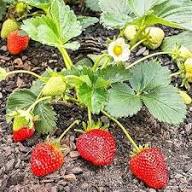
  • Produces attractive strawberry plants with delicate white flowers and lush green foliage.

  • A distinctive choice for gardeners interested in Japanese strawberry varieties.

  • Suitable for garden beds, raised beds, containers, patios, and balcony gardens.

  • A wonderful addition to edible gardens and specialty strawberry collections.

Growing Benefits

  • Adds attractive foliage and seasonal flowers to home garden spaces.

  • Offers an enjoyable seed-to-fruit growing experience.

  • Provides an opportunity to explore a distinctive Japanese strawberry variety.

  • Compact growth makes strawberries suitable for containers and smaller growing areas.

  • Creates a rewarding edible garden project for gardeners of different experience levels.

Seed Specifications

  • Plant Type: Perennial fruiting herbaceous plant

  • Seed Type: Japanese Hokowase strawberry fruit seeds for planting

  • Growth Habit: Compact, low-growing plant producing runners

  • Growing Environment: Sunny garden beds, raised beds, or containers

  • Best Use: Home gardens, patios, balconies, containers, and edible gardens

Growing Tips

  • Start seeds in a fine, well-draining seed-starting medium.

  • Provide bright light and gentle moisture while seedlings become established.

  • Gradually expose young plants to stronger sunlight after they develop healthy foliage.

  • Give mature plants good airflow and adequate space for healthy growth.

Seed Storage

Store unused seeds in a cool, dry location away from direct sunlight, humidity, and excessive heat. Keep seeds in a sealed container until planting to help maintain their quality.

Unique Facts About Seeds

  • Japanese Hokowase is a strawberry cultivar associated with Japanese strawberry cultivation.

  • Strawberries belong to the rose family, Rosaceae.

  • Strawberry plants produce white flowers that develop into familiar aggregate fruits.

  • Plants can produce runners that form new daughter plants around the parent.

  • Seed-grown strawberries may show variation and may not reproduce every characteristic of the parent cultivar.

Growing Instructions

Planting Season: Start seeds indoors during late winter or early spring, or sow outdoors when temperatures are mild and suitable for strawberry growth.

Sowing: Sprinkle seeds over a fine, moist seed-starting medium and press them gently into the surface rather than burying them deeply.

Planting Depth: Strawberry seeds generally germinate best when exposed to light, so cover them only very lightly or leave them on the surface.

Spacing: Once seedlings are established, provide enough room for each plant to develop foliage, roots, and runners without overcrowding.

Sunlight: Provide bright light during seedling development and full sun to partial sun for established plants depending on local climate.

Soil: Use fertile, well-draining soil with good organic matter. Slightly acidic to neutral soil is suitable for strawberries.

Watering: Keep the growing medium evenly moist during germination and early growth. Avoid excessive watering and standing water.

Germination: Maintain consistent moisture and suitable temperatures. Strawberry seeds can germinate slowly and unevenly, so patience is important.

Transplanting: Move established seedlings carefully once they have developed several true leaves and a stronger root system.

Fertilizing: Feed established plants with a balanced fertilizer suitable for fruiting plants according to the product label.

Care: Remove competing weeds, maintain good airflow, and monitor developing plants regularly. Runners can be guided or removed depending on the desired growing arrangement.

Fruit Development: With suitable growing conditions, mature strawberry plants can flower and develop fruit. Seed-grown plants may take longer to reach productive maturity, and fruit characteristics can vary from the parent plant.