


Key Features
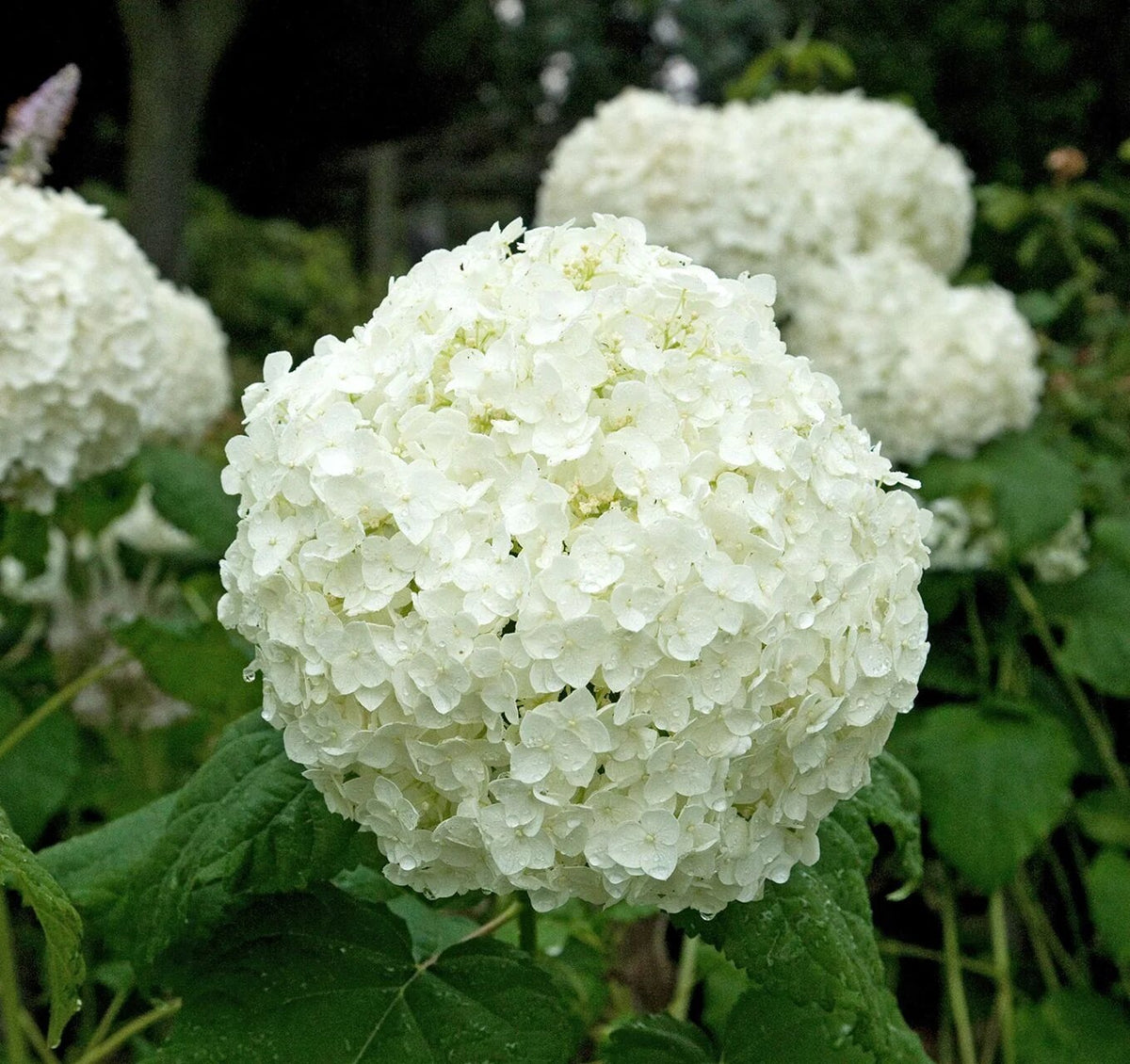
- Produces elegant white hydrangea blooms with a soft, classic garden appearance.
- Hydrangea plants feature lush foliage and rounded clusters of delicate flowers.
- Beautiful choice for cottage gardens, borders, beds, and ornamental landscapes.
- Can add a graceful, romantic look to home gardens and outdoor spaces.
- Seed-grown plants offer an enjoyable gardening project for patient growers.
Growing Benefits
- Creates a timeless display of white flowers in ornamental garden spaces.
- Adds attractive foliage and texture to garden beds and borders.
- Provides a rewarding seed-to-flower growing experience for home gardeners.
- Works beautifully in cottage-style, woodland, and traditional garden designs.
- Mature blooms can provide seasonal interest for outdoor landscapes.
Seed Specifications
- Common Name: White Hydrangea
- Botanical Name: Hydrangea spp.
- Plant Type: Woody ornamental flowering shrub
- Colors: White flowers; foliage is generally green
- Height: Varies by species and growing conditions; commonly several feet tall
Growing Tips
- Surface sow the tiny seeds and avoid covering them deeply, as light can support germination.
- Keep the seed-starting medium evenly moist but never waterlogged.
- Provide bright, indirect light or gentle morning sunlight while seedlings develop.
- Transplant young plants carefully after they become established and outdoor conditions are suitable.
Seed Storage
Store seeds in a cool, dry, dark location inside a sealed, moisture-resistant container. Keep them away from heat, humidity, and direct sunlight. Label the container with the plant name and storage date.
Unique Facts About Seeds
- Hydrangea seeds are extremely small and are best handled carefully during sowing.
- Hydrangea is a diverse genus containing many species of flowering shrubs and climbing plants.
- Flower color in some hydrangeas can be influenced by soil conditions, but white-flowering types generally remain white.
- Seed-grown hydrangeas can take several growing seasons to reach flowering maturity.