Skip to product information
1 of 4

EdenValleySeeds

Ground Cherry Fruit Seeds for Planting – Heirloom Non-GMO Garden Seeds

Ground Cherry Fruit Seeds for Planting – Heirloom Non-GMO Garden Seeds

No reviews yet
Regular price $18.89 USD
Regular price Sale price $18.89 USD
Sale Sold out
Size
Quantity
DELIVERY ESTIMATE
Oct 22 – Oct 24 Estimated arrival
ORDER Oct 12 Order placed
ORDER READY Oct 14 – Oct 15 2–3 business days
DELIVERED Oct 22 – Oct 24 10–12 business days total
Carefully packed and tracked from dispatch to delivery.
Secure checkout Carefully packed seeds Tracked delivery Quality-focused selection
View full details

Key Features

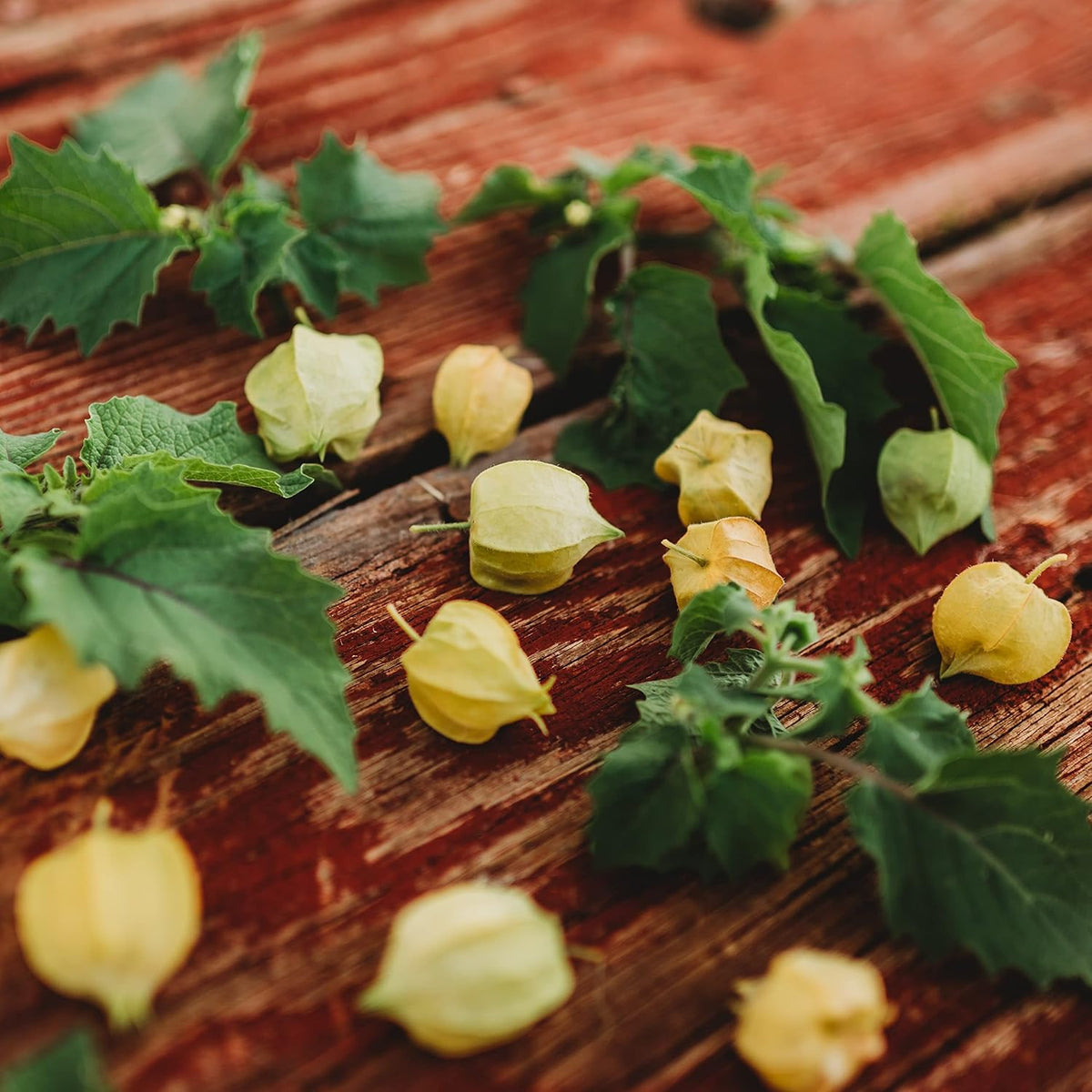
  • Sweet golden-yellow fruits enclosed in distinctive papery husks.
  • Compact, spreading plants suited for home gardens and containers.
  • Produces small, flavorful fruits that can be enjoyed fresh or in desserts.
  • Attractive foliage and husked fruits add visual interest to edible gardens.
  • Great choice for gardeners growing unique and less-common fruit crops.

Growing Benefits

  • Enjoy fresh, homegrown ground cherries with a naturally sweet flavor.
  • Adds an unusual and interesting fruit crop to your garden.
  • Suitable for garden beds, raised beds, and containers with proper space.
  • Harvest ripe fruits as they naturally drop from the plant.
  • Provides an exciting gardening project for beginners and experienced growers.

Seed Specifications

  • Common Name: Ground Cherry, Cape Gooseberry, Husk Cherry
  • Botanical Name: Physalis pruinosa
  • Plant Type: Warm-season annual fruiting plant
  • Colors: Golden-yellow to amber fruits with green foliage
  • Height: Approximately two to three feet
  • Sunlight: Full sun
  • Soil: Well-draining, fertile soil rich in organic matter
  • Water: Moderate, consistent moisture without waterlogging
  • Germination Time: Usually around one to two weeks under suitable conditions
  • Sowing Depth: About one-eighth inch deep
  • Spacing: Approximately eighteen to twenty-four inches apart
  • Growing Zones: Commonly grown as an annual in cooler zones; perennial in warmer climates
  • Flowering/Maturity: Small yellow flowers followed by fruit; typically matures in about seventy to ninety days after transplanting
  • Uses: Fresh eating, desserts, jams, pies, preserves, and fruit gardens

Growing Tips

  • Start seeds indoors before the last expected frost in cooler climates.
  • Keep the seed-starting mix lightly moist and provide warmth for better germination.
  • Transplant outdoors only after the danger of frost has passed and temperatures are warm.
  • Allow fallen fruits to ripen inside their husks before harvesting for the best flavor.

Seed Storage

Store unused seeds in a cool, dry, and dark location. Keep them in a tightly sealed packet or airtight container away from moisture, heat, and direct sunlight.

Unique Facts About Seeds

  • Ground cherries belong to the Physalis genus, the same botanical group that includes tomatillos.
  • Each fruit develops inside a papery husk that helps protect it as it matures.
  • Mature fruits commonly fall from the plant while still enclosed in their husks.
  • Ground cherries are known for their sweet, fruity flavor and are often eaten fresh or used in preserves.

Growing Instructions

Planting Season: Start seeds indoors several weeks before the final spring frost in cooler climates. In warm climates, sow outdoors once temperatures remain consistently warm.

Sowing: Fill seed trays or small containers with a well-draining seed-starting mix. Sow the seeds shallowly and lightly cover them with soil.

Depth: Plant seeds about one-eighth inch deep. Avoid burying them too deeply because they need suitable conditions near the soil surface to emerge.

Spacing: Once seedlings are established, transplant them approximately eighteen to twenty-four inches apart. Provide additional room between rows if growing multiple plants.

Sunlight: Choose a location receiving full sun for strong growth and fruit production.

Soil: Use fertile, well-draining soil with good moisture retention. Avoid areas where water remains around the roots.

Watering: Keep the soil consistently moist while seeds germinate and seedlings establish. Once plants are growing strongly, water when the soil surface begins to dry.

Germination: Seeds generally germinate within about one to two weeks when provided with warm temperatures, moisture, and suitable growing conditions.

Transplanting: Harden seedlings gradually by exposing them to outdoor conditions before planting them permanently. Transplant after frost danger has passed.

Fertilizing: Incorporate compost or a balanced garden fertilizer into the soil before planting. Avoid excessive nitrogen, which can encourage leafy growth at the expense of fruit production.

Care: Keep the growing area free of competing weeds and maintain consistent moisture. Mulching around established plants can help conserve soil moisture and reduce weed growth.

Flowering and Maturity: Small yellow flowers develop before the fruits form inside their papery husks. Fruits generally mature about seventy to ninety days after transplanting, depending on growing conditions. Allow ripe fruits to fall naturally, then collect them from the ground and remove any damaged or unripe fruit.