Skip to product information
1 of 3

EdenValleySeeds

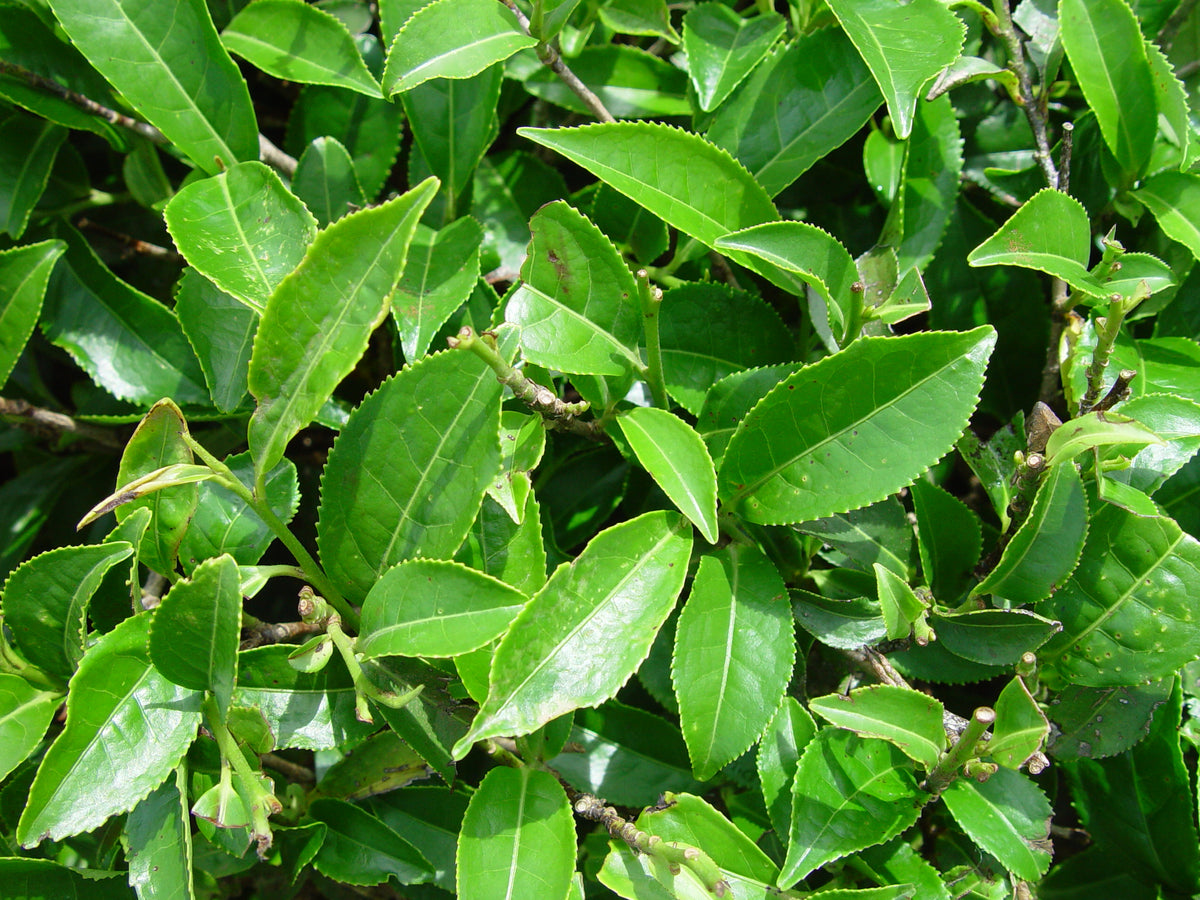
Green Tea Plant Seeds – Camellia sinensis for Home Gardens

Green Tea Plant Seeds – Camellia sinensis for Home Gardens

No reviews yet
Regular price $18.89 USD
Regular price Sale price $18.89 USD
Sale Sold out
size
Quantity
DELIVERY ESTIMATE
Oct 21 – Oct 23 Estimated arrival
ORDER Oct 11 Order placed
ORDER READY Oct 13 – Oct 14 2–3 business days
DELIVERED Oct 21 – Oct 23 10–12 business days total
Carefully packed and tracked from dispatch to delivery.
Secure checkout Carefully packed seeds Tracked delivery Quality-focused selection
View full details

Key Features

  • Green tea plant, botanically known as Camellia sinensis
  • Evergreen shrub with glossy green leaves and fragrant white flowers
  • Young leaves and buds are traditionally used to make green tea
  • Prefers warm conditions, acidic well-draining soil, and bright light
  • Attractive foliage makes it suitable for edible and ornamental gardens

Growing Benefits

  • Grow your own traditional tea plant from seed at home
  • Adds evergreen foliage and seasonal flowers to garden spaces
  • Provides fresh young leaves for traditional tea preparation
  • Makes an interesting long-term plant for gardeners and tea enthusiasts
  • Suitable for gardens with acidic, well-drained growing conditions

Seed Specifications

  • Common Name: Green Tea Plant, Tea Plant
  • Botanical Name: Camellia sinensis
  • Plant Type: Evergreen perennial shrub
  • Colors: Glossy green foliage with white to cream flowers
  • Height: Commonly maintained as a compact shrub; can become much taller when left unpruned
  • Sunlight: Partial shade to full sun, with protection from intense afternoon heat
  • Soil: Acidic, fertile, humus-rich, well-draining soil
  • Water: Regular and consistent moisture without waterlogging
  • Germination Time: Typically several weeks under suitable conditions
  • Sowing Depth: Shallow sowing, with only a light covering of growing medium
  • Spacing: Allow generous room between plants for mature shrub growth
  • Growing Zones: Generally suited to USDA Zones seven through nine, depending on cultivar and local conditions
  • Flowering/Maturity: White flowers generally appear in autumn; seed-grown plants take several years to mature
  • Uses: Tea production, edible gardening, ornamental planting, hedges, and container growing in suitable climates

Growing Tips

  • Soak the seeds before sowing and use fresh, well-draining seed-starting medium.
  • Keep the growing medium evenly moist but never saturated during germination.
  • Provide bright filtered light and protect young seedlings from harsh afternoon heat.
  • Transplant seedlings carefully once they are established and have developed several true leaves.

Seed Storage

Store unused seeds in a cool, dry place away from direct sunlight and moisture. Keep them in an airtight container or sealed seed packet. Avoid areas exposed to heat or humidity.

Unique Facts About Green Tea Plant Seeds

  • Green tea and black tea come from the same plant, Camellia sinensis; processing creates the major difference.
  • Tea plants naturally develop into evergreen shrubs with glossy, leathery leaves.
  • The plant produces small, fragrant flowers that are typically white or creamy in color.
  • Tea quality and characteristics can vary with cultivar, growing conditions, harvest timing, and leaf processing.

Growing Instructions

Planting Season

Sow seeds during a warm growing period when temperatures remain mild and stable. In cooler climates, seeds can be started indoors and transplanted after the risk of severe cold has passed.

Sowing

Prepare a loose, acidic, well-draining seed-starting medium. Soak the seeds before planting, then sow them shallowly with the rounded portion positioned appropriately in the medium. Cover lightly and avoid compacting the soil.

Depth and Spacing

Plant seeds shallowly beneath a thin layer of growing medium. Once seedlings are established, provide enough space for healthy root and shrub development. Mature plants benefit from good air circulation.

Sunlight

Provide bright light with partial shade, particularly in hot climates. Established plants can tolerate more sun when adequate moisture is available, but protection from intense afternoon heat can reduce stress.

Soil

Use fertile, acidic, humus-rich soil with excellent drainage. Tea plants prefer acidic growing conditions and generally perform poorly in alkaline soils.

Watering

Keep the soil consistently moist during germination and early growth. Once established, water regularly while allowing excess moisture to drain freely. Avoid prolonged waterlogging.

Germination

Germination may take several weeks and can be uneven. Warm conditions, appropriate moisture, fresh seed, and a suitable growing medium encourage better results.

Transplanting

Move seedlings carefully after they have become established and developed several true leaves. Handle the young roots gently and transplant into acidic, well-draining soil.

Fertilizing

Feed established plants with a fertilizer formulated for acid-loving plants during active growth. Avoid excessive fertilizer, particularly around young seedlings.

Ongoing Care

Mulch around established plants to help maintain soil moisture and moderate root temperatures, keeping mulch away from the main stem. Pruning can help maintain a manageable shrub shape and encourage fresh growth.

Flowering and Maturity

Green tea plants are slow-growing when raised from seed. With suitable care, mature plants can develop attractive white flowers, while useful leaf production becomes more practical as the shrub becomes established.