Skip to product information
1 of 3

EdenValleySeeds

Ginkgo Biloba Tree Seeds for Planting – Ginkgo Tree Seeds for Home Gardens

Ginkgo Biloba Tree Seeds for Planting – Ginkgo Tree Seeds for Home Gardens

No reviews yet
Regular price $18.89 USD
Regular price Sale price $18.89 USD
Sale Sold out
Size
Quantity
DELIVERY ESTIMATE
Oct 21 – Oct 23 Estimated arrival
ORDER Oct 11 Order placed
ORDER READY Oct 13 – Oct 14 2–3 business days
DELIVERED Oct 21 – Oct 23 10–12 business days total
Carefully packed and tracked from dispatch to delivery.
Secure checkout Carefully packed seeds Tracked delivery Quality-focused selection
View full details

Key Features

  • Ancient deciduous tree known for distinctive fan-shaped green leaves.
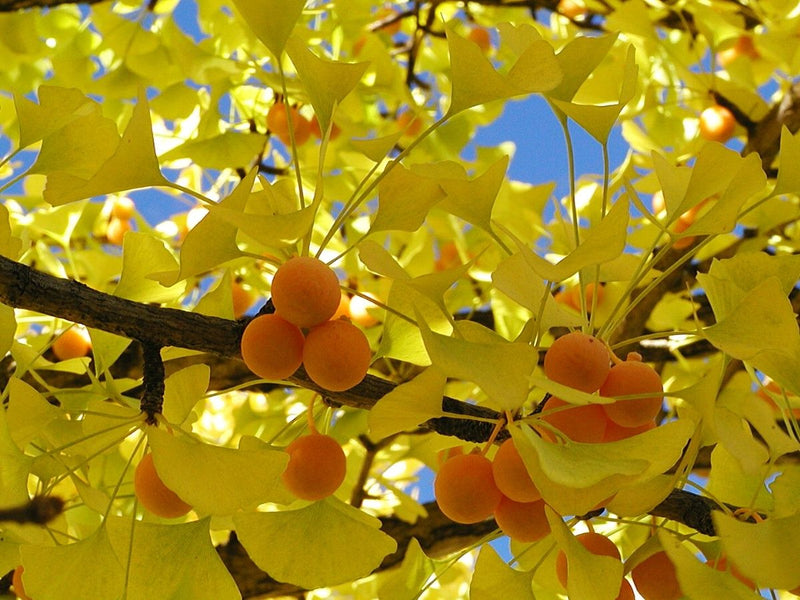
  • Brilliant golden-yellow foliage creates a striking autumn display.
  • Upright, long-lived growth makes it suitable for landscapes and large gardens.
  • Attractive ornamental tree with a unique prehistoric appearance and history.
  • Female trees can produce distinctive fleshy seeds when mature.

Growing Benefits

  • Adds beautiful seasonal color and character to spacious landscapes.
  • Offers an interesting tree-growing project for patient home gardeners.
  • Develops distinctive fan-shaped foliage unlike most common garden trees.
  • Provides long-term ornamental value as the tree matures.
  • Makes an excellent educational plant for learning about ancient species.

Seed Specifications

  • Common Name: Ginkgo, Ginkgo Biloba, Maidenhair Tree
  • Botanical Name: Ginkgo biloba
  • Plant Type: Deciduous tree
  • Colors: Green foliage with golden-yellow autumn color; seeds have a fleshy yellow-orange outer covering
  • Height: Commonly reaches about fifty to eighty feet at maturity
  • Sunlight: Full sun to partial shade
  • Soil: Well-drained, moderately fertile soil; adaptable to various soil types
  • Water: Moderate moisture, with good drainage
  • Germination Time: Variable and often slow; cold stratification can improve germination
  • Sowing Depth: About one inch deep
  • Spacing: Allow ample space for mature tree development
  • Growing Zones: USDA Zones three through nine
  • Flowering/Maturity: Ginkgo trees are dioecious and typically require many years to reach reproductive maturity
  • Uses: Ornamental landscaping, shade tree, specimen tree, educational gardens, and parks

Growing Tips

  • Use fresh, viable seeds and provide a proper cold-stratification period before sowing.
  • Plant seeds in well-draining soil and avoid locations that remain waterlogged.
  • Choose a sunny location with plenty of room for long-term tree growth.
  • Keep the growing medium lightly moist while avoiding excessive watering.

Seed Storage

Store unused seeds in a cool, dry location away from direct sunlight and moisture. For longer storage, place clean, dry seeds in an airtight container and keep them refrigerated according to their storage requirements. Label the container with the plant name and storage date.

Unique Facts About Seeds

  • Ginkgo biloba is considered a living fossil because its lineage dates back millions of years.
  • Ginkgo trees have separate male and female plants, unlike many trees that produce both sexes on one plant.
  • The edible-looking ginkgo seed has a fleshy outer covering that can develop an unpleasant odor when it falls from female trees.
  • Ginkgo leaves are famous for their distinctive fan shape and bright golden-yellow autumn color.

Growing Instructions

Planting Season: Sow during the cooler part of the growing season after preparing the seeds properly. Ginkgo seeds commonly benefit from cold stratification before planting.

Sowing: Use a clean seed-starting mix or loose, well-draining garden soil. Sow each seed individually where possible and cover gently with soil.

Depth: Plant seeds approximately one inch deep. Avoid burying them too deeply, as this can interfere with emergence.

Spacing: When sowing outdoors, provide generous spacing because Ginkgo biloba eventually becomes a large tree. For containers, transplant seedlings before the roots become crowded.

Sunlight: Choose a location receiving full sun to partial shade. A sunny planting site generally encourages strong, healthy growth.

Soil: Use fertile, well-draining soil that does not remain saturated. Ginkgo is adaptable but performs best where excess water can drain freely.

Watering: Keep newly planted seeds and seedlings consistently moist without creating soggy conditions. Once established, ginkgo trees generally tolerate moderate dry periods.

Germination: Germination can be slow and irregular. Cold stratification is commonly used to help overcome seed dormancy, and patience may be necessary.

Transplanting: Move young seedlings carefully once they are established and strong enough to handle transplantation. Choose their permanent location thoughtfully because mature trees require substantial space.

Fertilizing: Young plants can benefit from a balanced, slow-release fertilizer when active growth begins. Avoid excessive fertilizer, especially around newly germinated seedlings.

Care: Protect young plants from competing weeds and maintain consistent moisture during establishment. Mulching around the root zone can help conserve soil moisture, but keep mulch away from the trunk.

Flowering/Maturity: Ginkgo trees are primarily grown for their foliage and form rather than showy flowers. Seed-grown trees require considerable time to mature, and male and female characteristics may not become apparent for many years.