


Key Features
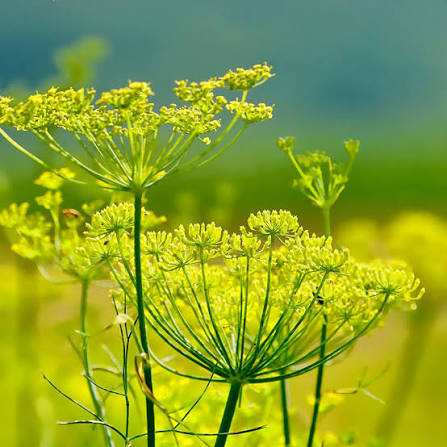
- Produces tall, airy stems with delicate feathery green foliage and yellow flower clusters.
- Upright growth adds height and texture to herb and ornamental gardens.
- Ideal for herb gardens, cottage gardens, borders, pollinator spaces, and naturalized plantings.
- Performs best in full sun with well-drained, moderately fertile soil.
- Aromatic foliage and seeds provide ornamental appeal and culinary versatility.
Growing Benefits
- Adds graceful height and fine texture to garden landscapes.
- Provides aromatic foliage and seeds for culinary use.
- Flowers can attract bees, butterflies, and other beneficial insects.
- Works well as a striking background plant in borders and cottage gardens.
- Suitable for garden beds and larger containers with sufficient space.
Seed Specifications
- Common Name: Fennel
- Botanical Name: Foeniculum vulgare
- Plant Type: Perennial herb, commonly grown as an annual or biennial
- Colors: Green foliage with yellow flowers
- Height: Approximately four to six feet
- Sunlight: Full sun
- Soil: Well-drained, moderately fertile soil
- Water: Moderate; water consistently during establishment
- Germination Time: Approximately seven to fourteen days under favorable conditions
- Sowing Depth: Approximately one-quarter inch
- Spacing: Approximately twelve to eighteen inches
- Growing Zones: USDA Zones four through nine, depending on local conditions
- Flowering/Maturity: Generally flowers during summer after reaching maturity
- Uses: Herb gardens, cottage gardens, borders, pollinator gardens, naturalized plantings, and culinary use
Growing Tips
- Direct sow seeds where they will grow because fennel develops a long taproot.
- Choose a sunny location with loose, well-drained soil.
- Allow plenty of space for the plant's tall, spreading growth habit.
- Harvest foliage while young and tender, or allow plants to flower and produce mature seeds.
Seed Storage
Store unused seeds in a cool, dry, dark location. Keep them sealed in their original packet or an airtight container away from moisture, heat, and direct sunlight.
Unique Facts About Seeds
- Fennel belongs to the Apiaceae family, which includes dill, carrots, parsley, and celery.
- Fennel produces distinctive umbrella-shaped clusters called umbels.
- The plant has finely divided foliage that gives it a soft, feathery appearance.
- Fennel seeds are aromatic and widely used as a culinary spice.