Skip to product information
1 of 4

EdenValleySeeds

Enula Asteraceae Flower Seeds for Planting – Heirloom Non-GMO Organic Garden Seeds

Enula Asteraceae Flower Seeds for Planting – Heirloom Non-GMO Organic Garden Seeds

No reviews yet
Regular price $18.89 USD
Regular price Sale price $18.89 USD
Sale Sold out
Size
Quantity
DELIVERY ESTIMATE
Oct 22 – Oct 24 Estimated arrival
ORDER Oct 12 Order placed
ORDER READY Oct 14 – Oct 15 2–3 business days
DELIVERED Oct 22 – Oct 24 10–12 business days total
Carefully packed and tracked from dispatch to delivery.
Secure checkout Carefully packed seeds Tracked delivery Quality-focused selection
View full details

Key Features

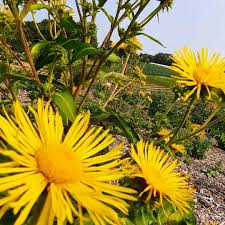
  • Produces cheerful daisy-like yellow flowers with a classic ornamental appearance.
  • Upright herbaceous perennial with attractive foliage and strong garden presence.
  • Suitable for flower beds, borders, cottage gardens, naturalized areas, and pollinator-friendly spaces.
  • Performs best in full sun to partial shade with fertile, well-drained soil.
  • A distinctive flowering plant for adding bright seasonal color to the landscape.

Growing Benefits

  • Adds sunny yellow color and vertical interest to garden spaces.
  • Suitable for perennial borders and cottage-style landscapes.
  • Provides attractive flowers for ornamental garden displays.
  • Can offer nectar and pollen resources for visiting pollinators.
  • Perennial growth can provide recurring seasonal interest in suitable climates.

Seed Specifications

  • Common Name: Enula, Elecampane
  • Botanical Name: Inula helenium
  • Plant Type: Herbaceous perennial
  • Colors: Yellow
  • Height: Approximately three to six feet
  • Sunlight: Full sun to partial shade
  • Soil: Moist, fertile, well-drained soil
  • Water: Moderate to regular
  • Germination Time: Approximately fourteen to thirty days under favorable conditions
  • Sowing Depth: Surface sow or cover very lightly
  • Spacing: Approximately eighteen to thirty-six inches
  • Growing Zones: USDA Zones three through eight
  • Flowering/Maturity: Generally flowers during summer after establishment
  • Uses: Flower beds, borders, cottage gardens, naturalized landscapes, ornamental plantings, and pollinator gardens

Growing Tips

  • Select a sunny location with fertile, well-drained soil.
  • Press seeds gently onto the soil surface because light can support germination.
  • Keep the soil evenly moist during germination and early growth.
  • Give plants plenty of space because mature elecampane can become quite tall.

Seed Storage

Store unused seeds in a cool, dry, dark location. Keep them sealed in their original packet or an airtight container away from humidity, heat, and direct sunlight.

Unique Facts About Seeds

  • Inula helenium is commonly known as elecampane and belongs to the Asteraceae family.
  • The plant is native to parts of Europe and Asia and has become naturalized in other regions.
  • Elecampane can grow substantially taller than many common garden perennials.
  • Its yellow flower heads have a daisy-like appearance and are carried on tall, branching stems.

Growing Instructions

Planting Season: Sow seeds in early spring after the soil becomes workable, or start indoors several weeks before outdoor planting. Fall sowing may also be suitable in climates with favorable winter conditions.

Sowing: Prepare a fine, weed-free seedbed. Scatter seeds over the soil surface and press them gently into the growing medium.

Depth: Surface sow or cover with only a very thin layer of soil.

Spacing: Thin or transplant seedlings to approximately eighteen to thirty-six inches apart to accommodate mature plant size.

Sunlight: Grow in full sun for the strongest flowering. Partial shade is tolerated, particularly in warmer climates.

Soil: Choose fertile, moist, well-drained soil. Avoid areas that remain waterlogged.

Watering: Keep soil evenly moist during germination and early establishment. Mature plants benefit from regular watering during extended dry periods.

Germination: Seeds may germinate within approximately fourteen to thirty days under favorable conditions. Germination can vary with temperature, moisture, and seed condition.

Transplanting: Transplant young seedlings once they have developed several true leaves. Harden them gradually before moving them outdoors.

Fertilizing: If soil fertility is low, apply a balanced fertilizer according to the product label. Avoid excessive feeding.

Care: Keep young plants free from competing weeds and provide enough space for mature growth. Remove faded flowers if you want to maintain a tidy appearance.

Flowering/Maturity: Elecampane generally flowers during summer after becoming established. Plants grown from seed may require more than one growing season before reaching mature flowering size.