


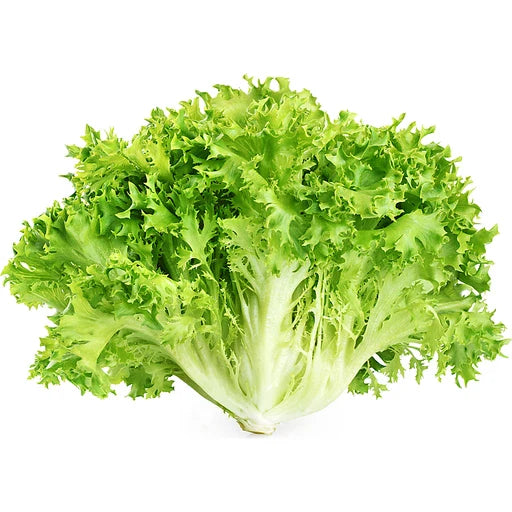

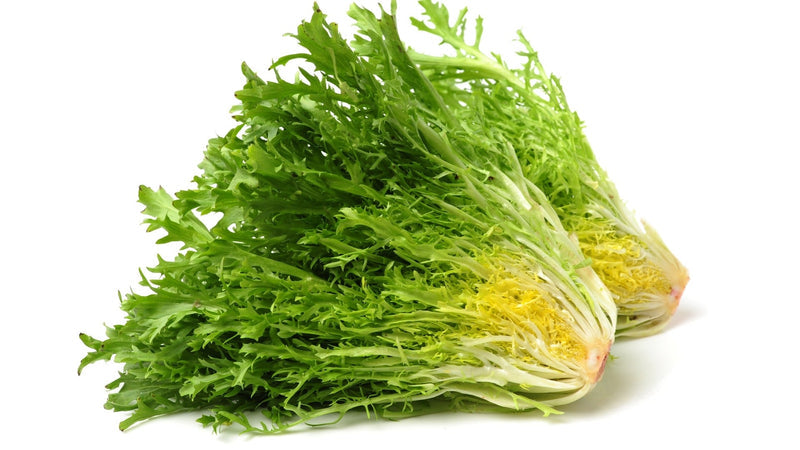
Key Features
- Crisp, leafy endive suitable for home vegetable gardens and edible containers
- Produces attractive green leaves with creamy or pale inner leaves depending on growing conditions
- Cool-season leafy vegetable that grows well in garden beds and containers
- Useful for fresh salads, sandwiches, soups, and cooked vegetable dishes
- A versatile choice for gardeners looking to grow fresh leafy greens from seed
Growing Benefits
- Easy to include in a home vegetable garden
- Provides fresh leafy greens for salads and everyday cooking
- Well suited to cool-season gardening
- Can be grown in garden beds, raised beds, or suitable containers
- Allows gardeners to harvest tender leaves at home
Seed Specifications
- Common Name: Endive, Garden Endive
- Botanical Name: Cichorium endivia
- Plant Type: Annual leafy vegetable
- Colors: Green leaves with pale green to creamy inner leaves
- Height: Generally grows around one to two feet tall, depending on variety and conditions
- Sunlight: Full sun to partial shade
- Soil: Fertile, well-draining soil rich in organic matter
- Water: Keep soil consistently moist but avoid waterlogging
- Germination Time: Usually about five to fourteen days under suitable conditions
- Sowing Depth: Sow shallowly, around one-quarter inch deep
- Spacing: Thin or space plants according to the selected variety, generally several inches apart
- Growing Zones: Suitable for a wide range of growing zones when planted during suitable cool-season conditions
- Flowering/Maturity: Primarily grown for its edible leaves; commonly ready for harvest in roughly six to twelve weeks, depending on variety and growing conditions
- Uses: Salads, sandwiches, soups, cooked dishes, garnish, and fresh leafy-green recipes
Growing Tips
- Sow seeds during cool weather because excessive heat can encourage bolting and bitterness.
- Keep the seedbed evenly moist during germination without making the soil soggy.
- Thin seedlings early to provide enough room for healthy leaf development.
- Harvest outer leaves or mature heads promptly for tender, fresh greens.
Seed Storage
Store unused seeds in a cool, dry, dark location away from heat and moisture. Keep them in a tightly sealed, labeled seed packet or airtight container. Avoid storing seeds in areas with frequent temperature or humidity changes.
Unique Facts About Seeds
- Endive belongs to the chicory family, which also includes chicory and radicchio.
- Endive is grown primarily for its edible leaves rather than its flowers.
- Cool temperatures generally produce better-quality leaves and can help reduce bitterness.
- Different endive types can have noticeably different leaf shapes, textures, and levels of bitterness.