


Key Features
- Distinctive Variety: Dukat is a flavorful dill variety valued for abundant foliage and a slower-blooming habit.
- Attractive Foliage: Produces lush, finely divided, dark green to blue-green leaves with a feathery appearance.
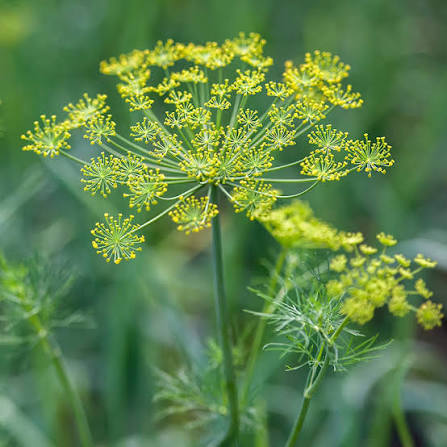
- Aromatic Blooms: Forms large, flat clusters of small yellow flowers as the plant matures.
- Culinary Garden Favorite: Fresh leaves complement fish, salads, vegetables, sauces, and other dishes.
- Versatile Herb: Leaves, flowers, and mature seeds can be used in cooking, including homemade pickling recipes.
Growing Benefits
- Provides a steady supply of fresh, aromatic dill foliage for home cooking.
- Easy to grow when directly sown in sunny garden spaces.
- Suitable for herb beds, informal gardens, and large containers.
- Attractive yellow flower umbels add ornamental interest to the garden.
- Useful for both fresh culinary use and harvesting mature dill seeds.
Seed Specifications
- Common Name: Dukat Dill
- Botanical Name: Anethum graveolens
- Plant Type: Annual herb
- Colors: Dark green to blue-green foliage with yellow flowers
- Height: Approximately two to four feet, depending on growing conditions
- Sunlight: Full sun
- Soil: Fertile to moderately rich, well-drained soil
- Water: Regular moisture; avoid waterlogged soil
- Germination Time: Approximately seven to twenty-one days
- Sowing Depth: About one-quarter inch
- Spacing: Thin plants to approximately six to fifteen inches apart
- Growing Zones: Commonly grown as a warm-season annual across a wide range of climates
- Flowering/Maturity: Foliage can be harvested before flowering; seed heads generally develop around seventy days after direct sowing, depending on conditions
- Uses: Fresh herbs, dried herbs, pickling, salads, fish dishes, sauces, vegetables, garnishes, and seed harvesting
Growing Tips
- Direct sow seeds because dill generally dislikes root disturbance and does not transplant easily.
- Cover seeds lightly with soil while allowing some light to reach the seed for reliable germination.
- Keep soil consistently moist during germination and early growth without creating soggy conditions.
- Make successive sowings during the growing season for a longer supply of fresh foliage.
Seed Storage
Store unused Dukat Dill Seeds in a cool, dry, dark location. Keep them in a tightly sealed, moisture-resistant container away from heat and direct sunlight. Allow seeds to remain completely dry during storage.
Unique Facts About Seeds
- Dukat is known for producing abundant foliage and flowering later than some common dill varieties.
- Dill belongs to the Apiaceae family, the same plant family that includes parsley and cumin.
- The finely divided foliage has a characteristic aromatic fragrance and flavor.
- Dill seeds are traditionally valued as a culinary spice, particularly for pickling, while the leaves are widely used fresh.