


Key Features
- Produces fragrant, feathery green foliage with a classic fresh herb aroma.
- Fast-growing annual herb that is well suited to home vegetable and herb gardens.
- Ideal for herb beds, containers, raised beds, kitchen gardens, and companion plantings.
- Performs best in full sun with loose, well-drained soil.
- Leaves and seeds are commonly used to add distinctive flavor to a variety of dishes.
Growing Benefits
- Provides fresh dill for home cooking and seasonal harvests.
- Easy to grow directly from seed in garden beds or containers.
- Compact enough for patios, balconies, and small herb gardens.
- Attractive foliage adds texture to edible and ornamental garden spaces.
- Flowering dill can provide a food source for beneficial insects.
Seed Specifications
- Common Name: Dill
- Botanical Name: Anethum graveolens
- Plant Type: Annual herb
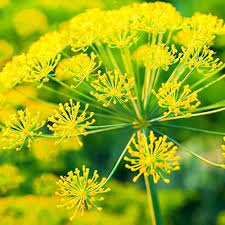
- Colors: Green foliage with yellow flower clusters
- Height: Approximately two to four feet
- Sunlight: Full sun
- Soil: Loose, well-drained, moderately fertile soil
- Water: Moderate; keep soil evenly moist during establishment
- Germination Time: Approximately seven to fourteen days under favorable conditions
- Sowing Depth: Approximately one-quarter inch
- Spacing: Approximately six to twelve inches
- Growing Zones: USDA Zones two through eleven, grown as an annual
- Flowering/Maturity: Foliage can be harvested within several weeks; flowering generally follows as plants mature
- Uses: Herb gardens, containers, raised beds, kitchen gardens, culinary use, and pollinator-friendly plantings
Growing Tips
- Sow seeds directly where they will grow because dill develops a taproot and dislikes repeated transplanting.
- Plant seeds in succession every few weeks for a steady supply of fresh leaves.
- Provide full sun and good air circulation to encourage healthy growth.
- Harvest young leaves before flowering for tender foliage and strong flavor.
Seed Storage
Store unused seeds in a cool, dry, dark location. Keep them sealed in their original packet or an airtight container away from moisture, heat, and direct sunlight.
Unique Facts About Seeds
- Dill belongs to the Apiaceae family, which also includes carrots, parsley, and fennel.
- Both dill leaves, commonly called dill weed, and mature seeds are used as culinary herbs.
- Dill produces distinctive umbrella-shaped clusters of small yellow flowers.
- Its flowers are attractive to many beneficial insects, including some predatory and pollinating species.