


Key Features
-
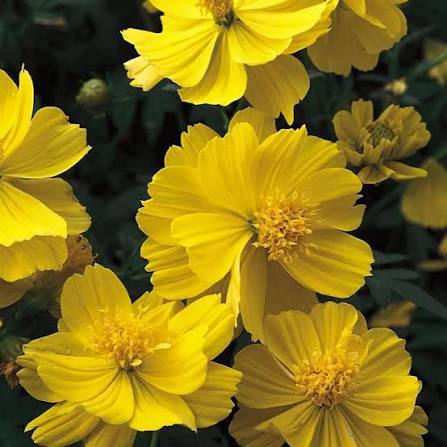
Bright yellow cosmos blooms that bring cheerful color to sunny garden spaces.
-
Delicate, daisy-like flowers with finely divided, airy foliage.
-
Excellent for flower beds, borders, cottage gardens, containers, and cut-flower displays.
-
Attractive to bees, butterflies, and other garden pollinators.
-
Easy-care annual flower suited to beginner gardeners and warm-season planting.
Growing Benefits
-
Adds vibrant yellow color to summer landscapes.
-
Easy to grow directly from seed in suitable conditions.
-
Provides attractive flowers for home-cut bouquets.
-
Works well in mixed borders and informal cottage gardens.
-
Makes a colorful addition to pollinator-friendly planting areas.
Seed Specifications
-
Common Name: Yellow Cosmos
-
Botanical Name: Cosmos sulphureus
-
Plant Type: Annual flowering plant
-
Colors: Bright yellow
-
Height: About two to four feet
-
Sunlight: Full sun
-
Soil: Well-drained, moderately fertile soil
-
Water: Moderate; keep moist during establishment
-
Germination Time: About seven to fourteen days
-
Sowing Depth: About one-quarter inch deep
-
Spacing: About eight to twelve inches apart
-
Growing Zones: USDA Zones two through eleven when grown as an annual
-
Flowering/Maturity: Usually begins flowering about two to three months after sowing
-
Uses: Flower beds, borders, containers, cottage gardens, cut flowers, and pollinator gardens
Growing Tips
-
Sow seeds after the danger of frost has passed and the soil has warmed.
-
Choose a location that receives full sunlight for strong growth and flowering.
-
Avoid overfertilizing, particularly with high-nitrogen fertilizer.
-
Remove faded flowers regularly to encourage a longer display of blooms.
Seed Storage
Keep unused seeds in a sealed packet or airtight container. Store them in a cool, dry, dark location away from moisture, heat, and direct sunlight.
Unique Facts About Seeds
-
Yellow cosmos is commonly associated with Cosmos sulphureus, a species known for yellow and orange flowers.
-
Cosmos belongs to the Asteraceae family, which also includes daisies and sunflowers.
-
Its finely divided foliage gives the plant a light, delicate appearance.
-
Yellow cosmos is well suited to sunny summer gardens and pollinator-friendly planting.