



Key Features
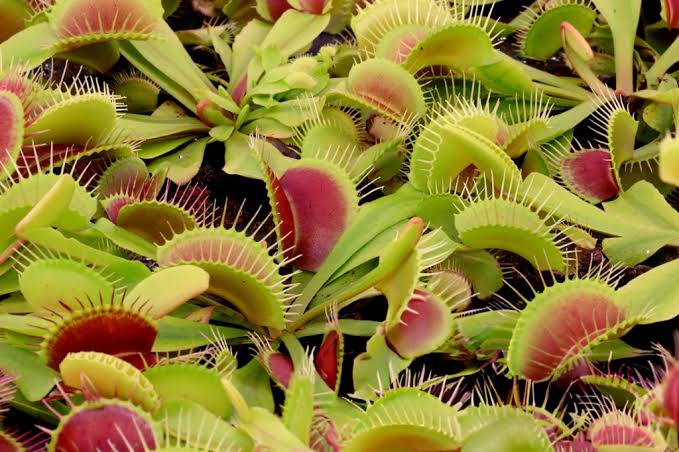
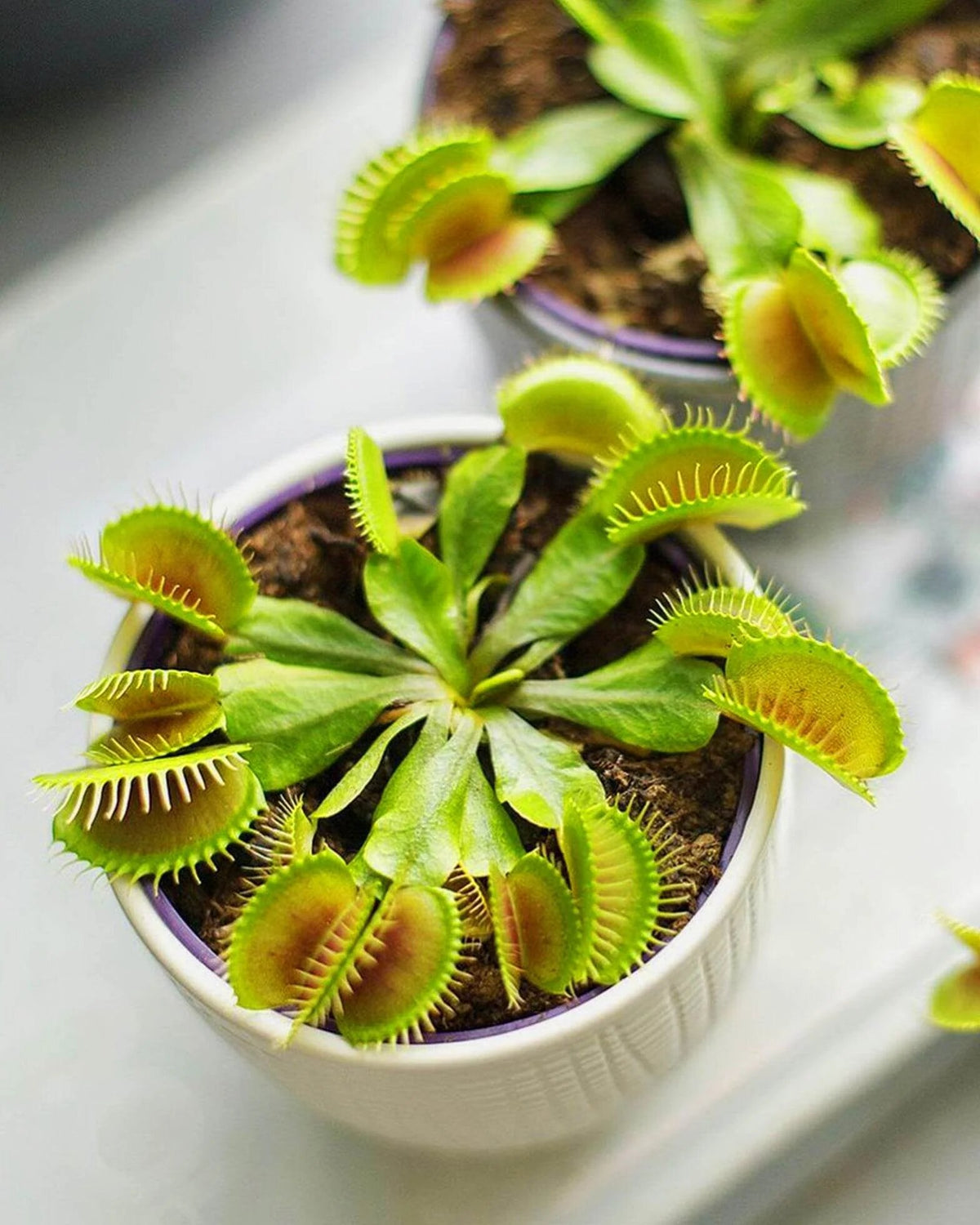
- Fascinating Carnivorous Plant: Grows distinctive hinged traps that capture small insects.
- Unique Green Traps: Bright green leaves feature characteristic red or reddish inner trap surfaces.
- Compact Growth: Forms a low-growing rosette, making it an intriguing addition to sunny plant collections.
- Curious Garden Display: Excellent for carnivorous plant gardens, bog-style displays, terrariums, and educational growing projects.
- Delicate White Blooms: Mature plants can produce small white flowers on tall stems above the foliage.
Growing Benefits
- Adds an unusual and fascinating carnivorous plant to your collection.
- Provides an engaging growing project for beginner plant enthusiasts.
- Creates an interesting focal point in carnivorous plant displays.
- Offers an opportunity to observe natural insect-trapping adaptations.
- Can be grown from seed and enjoyed throughout its gradual development.
Seed Specifications
Common Name: Venus Fly Trap
Botanical Name: Dionaea muscipula
Plant Type: Perennial carnivorous herbaceous plant
Colors: Green foliage with green to reddish trap interiors; white flowers
Height: Generally around six to twelve inches when mature
Sunlight: Bright direct sunlight; acclimate plants gradually to strong outdoor sun
Soil: Nutrient-poor, acidic carnivorous-plant soil such as sphagnum peat and perlite
Water: Keep growing medium consistently moist using distilled, rain, or reverse-osmosis water
Germination Time: Commonly several weeks, with fresh seed often germinating within roughly four to eight weeks
Sowing Depth: Surface sow; do not bury the seeds
Spacing: Allow approximately one inch or more between seedlings when practical
Growing Zones: Generally suitable for USDA Zones six through ten with appropriate winter protection
Flowering/Maturity: Mature plants may flower in spring; plants grown from seed require several years to reach maturity
Uses: Carnivorous plant collections, bog gardens, terrariums, educational projects, and unusual indoor or outdoor displays
Growing Tips
- Sow seeds on the surface: Sprinkle seeds over moist carnivorous-plant soil and leave them uncovered.
- Provide bright light: Give seedlings strong light while protecting young plants from sudden extreme heat.
- Use pure water: Distilled, rain, or reverse-osmosis water helps avoid mineral buildup in the growing medium.
- Avoid rich fertilizer: Venus fly traps naturally grow in nutrient-poor soils and generally do not need regular soil fertilization.
Seed Storage
Store unused seeds in a cool, dry place away from direct sunlight and moisture. Keep them in a sealed seed packet or airtight container. Venus fly trap seeds are best sown while fresh, as their viability can decline with prolonged storage.
Unique Facts About Seeds
- Venus fly trap seeds develop after the plant produces small white flowers and successful pollination occurs.
- The botanical name Dionaea muscipula refers to the famous insect-trapping plant native to a small region of the southeastern United States.
- Venus fly traps use modified leaves as traps rather than flowers or roots to capture prey.
- Seed-grown Venus fly traps develop slowly and can take several years to reach mature, flowering size.