


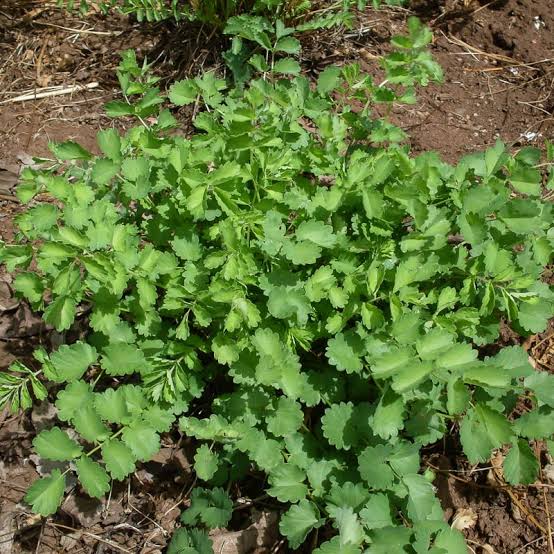
Grow Burnet from heirloom non-GMO seeds for attractive green foliage and delicate flower clusters. A versatile herb for cottage gardens, herb beds, borders, containers, and natural-looking garden displays.
Key Features
-
Produces attractive green foliage with a delicate, airy appearance.
-
Develops small rounded or elongated flower clusters above the foliage.
-
Heirloom, non-GMO seed choice for home garden growing.
-
Ideal for herb gardens, cottage borders, containers, and raised beds.
-
Performs best in fertile, well-drained soil with consistent moisture.
-
Adds soft texture and natural charm to garden spaces.
Growing Benefits
-
Adds graceful foliage to cottage and herb gardens.
-
Creates attractive texture in mixed perennial plantings.
-
Grows well in containers and raised garden beds.
-
Provides seasonal flowers for ornamental garden interest.
-
Makes a rewarding choice for gardeners who enjoy unusual herbs.
Seed Specifications
-
Common Name: Burnet
-
Botanical Name: Sanguisorba spp.
-
Plant Type: Herbaceous perennial or annual depending on species
-
Flower Color: Red, pink, burgundy, white, or purple depending on species
-
Flower Shape: Small rounded or elongated clusters
-
Foliage: Green, divided or pinnate leaves
-
Growth Habit: Upright, clumping, or spreading depending on species
-
Sunlight: Full sun to partial shade
-
Soil: Fertile, moderately moist, well-drained soil
-
Water: Moderate; maintain consistent moisture during establishment
-
Germination Time: Approximately 14–30 days under favorable conditions
-
Sowing Depth: Surface sow or cover very lightly
-
Spacing: Approximately 12–18 inches depending on species and mature size
-
Growing Zones: Varies by species; many garden burnets are suited to cool and temperate climates
-
Flowering/Maturity: Generally flowers during the growing season after plants become established
-
Uses: Herb gardens, cottage gardens, borders, containers, raised beds, perennial gardens, and ornamental plantings
Growing Tips
-
Sow seeds shallowly because burnet seeds generally benefit from light exposure.
-
Choose a location with good drainage and consistent soil moisture.
-
Provide adequate spacing to encourage airflow around mature plants.
-
Remove faded flower clusters to maintain a tidy garden appearance.
Seed Storage
Store unused seeds in a cool, dry, dark location. Keep them sealed in their original packet or an airtight container away from moisture, heat, and direct sunlight.
Important Growing Note
“Burnet” is a common name used for several species, especially plants in the Sanguisorba genus. Salad burnet (Sanguisorba minor) is a well-known culinary herb, while other burnets are primarily grown as ornamental perennials. Flower color, mature size, hardiness, and culinary suitability depend on the exact species supplied.
Always verify the botanical name on the seed packet before using a burnet variety for culinary purposes.
Unique Facts About Seeds
-
Burnet belongs primarily to the Rosaceae family.
-
Sanguisorba species can have distinctive flower heads made up of many tiny flowers.
-
Salad burnet is known for its finely divided foliage and fresh herb character.
-
Several burnet species are valued as ornamental plants for cottage and perennial gardens.
-
Flowering burnets can provide seasonal interest and attract pollinating insects.