


Key Features
-
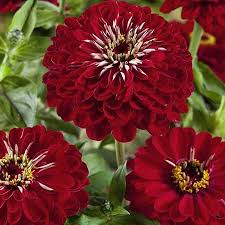
Rich burgundy blooms add a bold, elegant touch to sunny garden spaces.
-
Zinnia elegans is a warm-season annual with upright growth and colorful flowers.
-
Great for flower beds, borders, containers, cottage gardens, and cutting gardens.
-
Performs best in full sun and well-draining soil.
-
Attractive blooms can draw bees and butterflies while flowering.
Growing Benefits
-
Easy-to-grow choice for beginner gardeners.
-
Adds rich burgundy color and seasonal interest to landscapes.
-
Suitable for garden beds, borders, and containers.
-
Provides flowers that can be enjoyed in fresh-cut arrangements.
-
Performs well during the warm growing season with proper care.
Seed Specifications
-
Common Name: Burgundy Zinnia
-
Botanical Name: Zinnia elegans
-
Plant Type: Annual flowering plant
-
Colors: Burgundy
-
Height: Commonly about two to four feet, depending on variety and growing conditions
-
Sunlight: Full sun
-
Soil: Well-draining, moderately fertile soil
-
Water: Regular watering; allow soil to drain between watering
-
Germination Time: Several days to around two weeks under favorable conditions
-
Sowing Depth: About one-quarter inch
-
Spacing: About one foot apart, depending on variety
-
Growing Zones: Commonly grown as an annual across USDA zones
-
Flowering/Maturity: Blooms during the warm growing season
-
Uses: Flower beds, borders, containers, cottage gardens, pollinator gardens, and cut flowers
Growing Tips
-
Plant in a location that receives plenty of direct sunlight.
-
Sow seeds shallowly in loose, well-draining soil and keep the surface lightly moist.
-
Provide enough space between plants for airflow and healthy development.
-
Remove spent blooms regularly to encourage continued flowering.
Seed Storage
Store unused seeds in a cool, dry, dark location. Keep the packet sealed or place seeds in an airtight container to protect them from moisture and humidity. Avoid heat and direct sunlight.
Unique Facts About Seeds
-
Zinnia elegans is part of the Asteraceae, or daisy, family.
-
Zinnia seeds are relatively large and easy to handle when sowing.
-
Zinnia flowers can provide nectar and pollen for visiting pollinators.
-
Zinnias are warm-season plants that generally flower best in sunny conditions.