


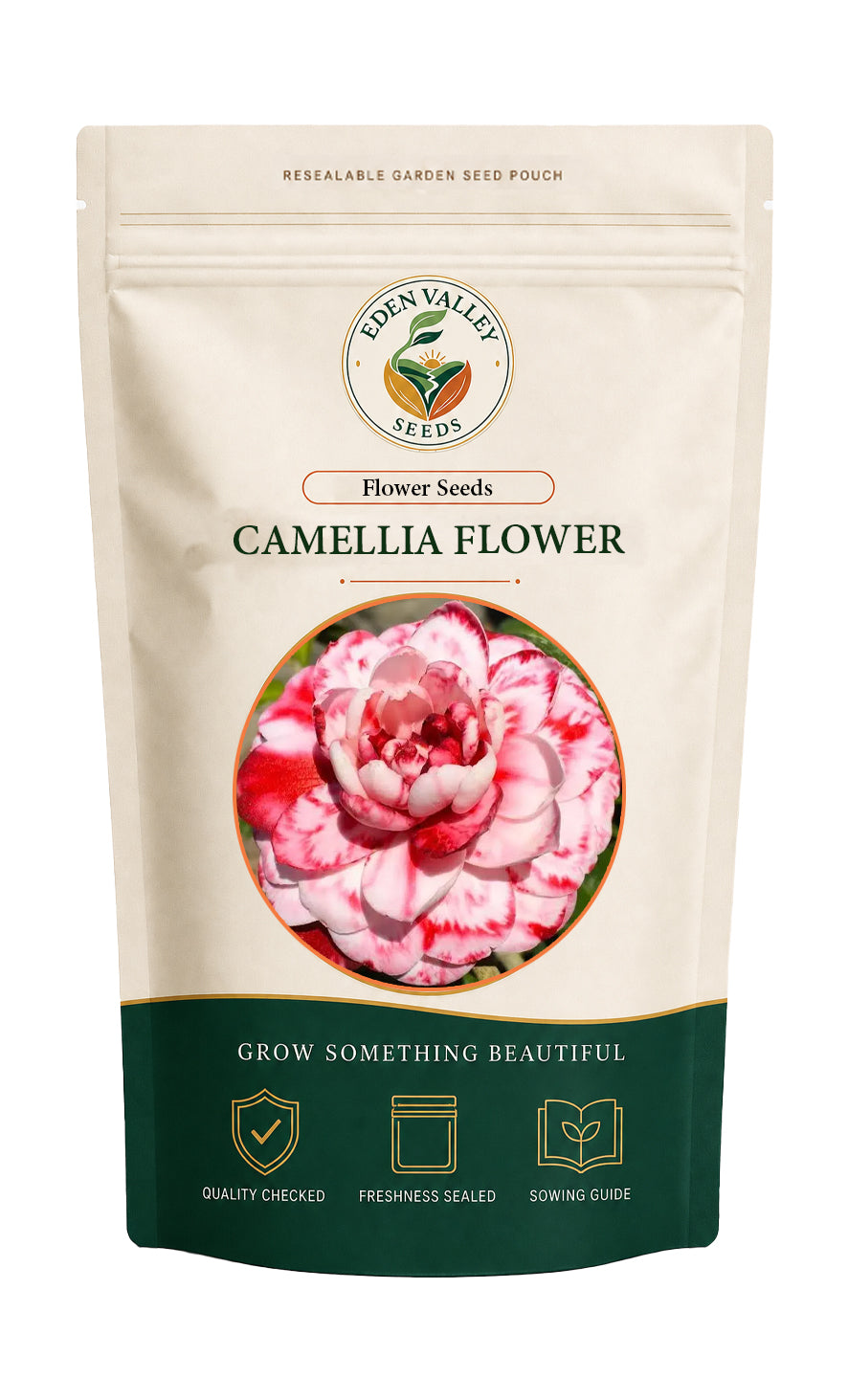
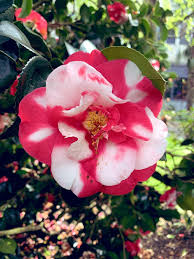
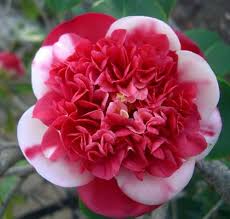
Grow burgundy and white camellia flowers from seed for an elegant ornamental display. This distinctive garden plant brings lush evergreen foliage and beautiful two-tone blooms to containers, borders, woodland-style gardens, and sheltered landscapes.
Key Features
- Produces attractive burgundy and white-toned camellia flowers.
- Heirloom, non-GMO seed choice for ornamental home gardens.
- Evergreen foliage provides year-round garden structure in suitable climates.
- Ideal for containers, borders, patios, and sheltered garden spaces.
- Prefers fertile, acidic, well-drained soil with consistent moisture.
Growing Benefits
- Adds elegant seasonal color to ornamental garden spaces.
- Provides glossy evergreen foliage for lasting garden interest.
- Creates a refined focal point in suitable landscapes.
- Works beautifully in containers and sheltered garden locations.
- Offers a distinctive choice for flower enthusiasts.
Seed Specifications
- Common Name: Camellia
- Botanical Name: Camellia spp.
- Plant Type: Evergreen shrub
- Flower Color: Burgundy and white; color and pattern may vary
- Flower Shape: Single, semi-double, or double depending on variety
- Foliage: Glossy, dark green leaves
- Growth Habit: Upright, bushy, and branching
- Height: Approximately four to twelve feet or more, depending on species and conditions
- Sunlight: Partial sun to bright filtered light; morning sun is generally preferred
- Soil: Acidic, fertile, humus-rich, well-drained soil
- Water: Moderate and consistent; avoid prolonged dryness or waterlogging
- Germination Time: Variable; seeds may take several weeks to germinate
- Sowing Depth: Approximately one-half to one inch
- Spacing: Approximately four to eight feet for mature landscape plants, depending on variety
- Growing Zones: Generally USDA Zones seven through ten, depending on species
- Flowering/Maturity: Flowering season varies by species, commonly fall through spring
- Uses: Containers, borders, sheltered landscapes, woodland-style gardens, patios, and ornamental plantings
Growing Tips
Create the gentle conditions camellias prefer for healthy growth.
- Choose a sheltered location protected from harsh afternoon heat and drying winds.
- Use acidic, organic-rich soil with excellent drainage.
- Keep the root zone consistently moist, especially during establishment.
- Provide morning sun or filtered light for strong growth and attractive flowering.
Seed Storage
Store unused seeds in a cool, dry, dark location. Keep them sealed in an airtight container away from moisture, heat, and direct sunlight. For species with short-lived seed viability, planting relatively fresh seed is preferable.
Important Growing Note
Camellia is a broad genus containing many species and cultivars with different growing requirements. Camellias generally prefer partial sun or filtered light rather than intense all-day sun. Seed-grown plants can also vary in flower color, form, growth habit, and flowering time, so the burgundy-white pattern may not reproduce exactly.
Unique Facts About Seeds
Beautiful details behind this classic garden shrub.
- Camellias are evergreen shrubs known for glossy foliage and elegant flowers.
- Many camellia species prefer acidic soil similar to conditions favored by other acid-loving plants.
- Camellia flowers range widely in color, form, and flowering season across the genus.
- Seed-grown camellias can produce unique plants with characteristics that differ from their parent.