Skip to product information
1 of 3

EdenValleySeeds

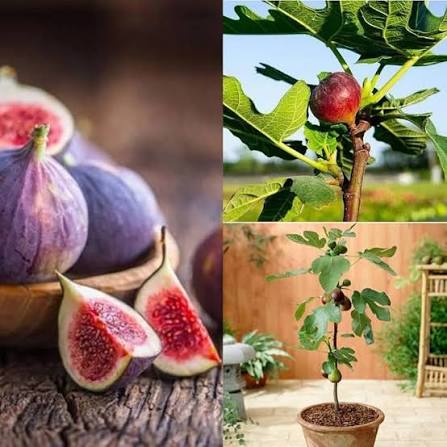
Burgundy Fig Fruit Seeds for Planting – Heirloom Non-GMO Garden Seeds

Burgundy Fig Fruit Seeds for Planting – Heirloom Non-GMO Garden Seeds

No reviews yet
Regular price $18.89 USD
Regular price Sale price $18.89 USD
Sale Sold out
Size
Quantity
DELIVERY ESTIMATE
Oct 22 – Oct 24 Estimated arrival
ORDER Oct 12 Order placed
ORDER READY Oct 14 – Oct 15 2–3 business days
DELIVERED Oct 22 – Oct 24 10–12 business days total
Carefully packed and tracked from dispatch to delivery.
Secure checkout Carefully packed seeds Tracked delivery Quality-focused selection
View full details

Key Features

  • Grow a distinctive burgundy fig variety from seed
  • Produces attractive fig fruits with rich dark coloring when mature
  • Deciduous fruiting plant with large, ornamental leaves
  • Excellent choice for sunny backyard gardens and edible landscapes
  • Ideal for gardeners who enjoy growing specialty fruit trees from seed

Growing Benefits

  • Adds an attractive fruiting plant to your home garden
  • Creates a rewarding long-term gardening project
  • Combines ornamental foliage with potential fruit production
  • Great for gardeners exploring unusual fig varieties
  • Suitable for gardens, patios, containers, and protected growing spaces

Seed Specifications

  • Seed Type: Burgundy fig fruit seeds
  • Plant Type: Fruiting fig tree or shrub
  • Botanical Genus: Ficus
  • Fruit: Small to medium fig with burgundy to deep purple coloring, depending on plant type
  • Garden Use: Home gardens, edible landscapes, containers, patios, and fruit-tree collections

Growing Tips

  • Choose a warm location receiving plenty of direct sunlight.
  • Use fertile, well-draining soil with good moisture management.
  • Protect young plants from frost and prolonged cold conditions.
  • Give established plants sufficient space for healthy root and canopy development.

Seed Storage

Store unused fig seeds in a cool, dry, and dark location. Keep the packet protected from humidity, heat, and direct sunlight. Use an airtight container if additional moisture protection is needed.

Unique Facts About Seeds

  • Figs belong to the genus Ficus and the mulberry family, Moraceae.
  • The common edible fig is botanically known as Ficus carica.
  • What is commonly called a fig fruit is actually a specialized structure containing many tiny flowers.
  • Fig plants can develop broad, deeply lobed leaves that add ornamental interest.
  • Seed-grown figs may vary considerably from their parent plant in fruit characteristics.

Growing Instructions

Planting Season: Start seeds during a warm growing period. In cooler climates, begin indoors or in a protected environment before outdoor temperatures become consistently warm.

Sowing: Sow seeds on the surface or barely cover them with a fine, well-draining growing medium. Keep the medium evenly moist without making it soggy.

Planting Depth: Cover the tiny seeds only lightly. Avoid deep planting because fig seeds need suitable conditions near the surface for emergence.

Spacing: Give seedlings enough room to develop without crowding. Transplant established plants into progressively larger containers or a suitable permanent location.

Sunlight: Provide bright light during seedling growth. Established fig plants generally perform best in full sun.

Soil: Use fertile, loose, well-draining soil. Good drainage is especially important for healthy root development.

Watering: Keep the growing medium consistently but moderately moist during germination and early growth. Established plants can be watered according to soil moisture and weather conditions.

Germination: Germination can be variable and may take time. Warm temperatures, fresh seed, suitable moisture, and good light conditions can support successful emergence.

Transplanting: Move established seedlings carefully after they have developed several true leaves. Handle the young root system gently during transplanting.

Fertilizing: Provide balanced nutrition according to soil conditions once plants are actively growing. Avoid excessive feeding on young seedlings.

Care: Protect young plants from frost, severe cold, and strong winds. Remove competing weeds and maintain good growing conditions as the plant develops.

Fruit Development: Seed-grown fig plants can take several years to reach fruiting maturity, and fruit characteristics may differ from the parent plant. Provide warmth, sunlight, and consistent care for long-term development.