


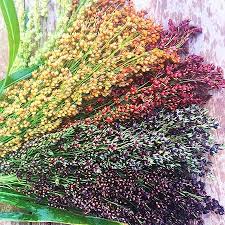
Grow Broom Sorghum from heirloom non-GMO seeds for tall grass-like plants topped with graceful seed heads. A classic choice for rustic gardens, ornamental borders, natural displays, crafts, and gardeners interested in traditional broom-making crops.
Key Features
- Produces tall, upright plants with distinctive branching seed heads.
- Adds height, texture, and rustic character to garden landscapes.
- Suitable for ornamental plantings, craft gardens, and traditional homestead gardens.
- Thrives in warm weather with full sun and well-drained soil.
- Mature seed heads can be dried for decorative and traditional craft uses.
Growing Benefits
- Adds dramatic height and movement to sunny garden spaces.
- Creates attractive seed heads for seasonal ornamental displays.
- Provides material for traditional broom-making and craft projects.
- Works well in rustic, cottage, and homestead-style gardens.
- Offers an interesting warm-season crop for seed-saving enthusiasts.
Seed Specifications
- Common Name: Broom Sorghum, Broomcorn
- Botanical Name: Sorghum bicolor var. technicum
- Plant Type: Warm-season annual grass
- Foliage Color: Green, becoming golden or straw-colored as plants mature
- Seed Head Color: Green, tan, reddish, or bronze depending on variety
- Growth Habit: Tall, upright, and strongly branching
- Height: Approximately 6–12 feet depending on variety and conditions
- Sunlight: Full sun
- Soil: Fertile, well-drained soil
- Water: Moderate; consistent moisture during establishment
- Germination Time: Approximately 7–14 days under favorable conditions
- Sowing Depth: Approximately ½–1 inch
- Spacing: Approximately 6–12 inches between plants
- Growing Zones: Best grown as a warm-season annual; particularly suited to USDA Zones 5–11
- Flowering/Maturity: Seed heads develop during the warm growing season and mature as plants dry
- Uses: Ornamental gardens, craft gardens, dried arrangements, traditional broom-making, seed displays, and homestead gardens
Growing Tips
- Sow directly outdoors after the danger of frost has passed and soil has warmed.
- Choose a location with full sun and enough vertical space for mature plants.
- Keep soil evenly moist while seeds germinate and seedlings establish.
- Harvest mature seed heads after they develop and begin to dry for crafts or decoration.
Seed Storage
Store unused seeds in a cool, dry, dark location. Keep them sealed in their original packet or an airtight container away from moisture, heat, and direct sunlight.
Important Growing Note
Broom sorghum is grown primarily for its ornamental seed heads and traditional craft uses. Mature height and seed-head color can vary by variety and growing conditions. Because plants can become quite tall, select a location where their mature size will not interfere with nearby plants or structures.
Unique Facts About Seeds
- Broom sorghum is also commonly called broomcorn because its mature seed heads have traditionally been used to make brooms.
- It belongs to the grass family, Poaceae, and is closely related to other sorghum crops.
- The branched seed heads create an attractive architectural form as they mature and dry.
- Dried stems and seed heads can add rustic texture to seasonal decorations and craft projects.