


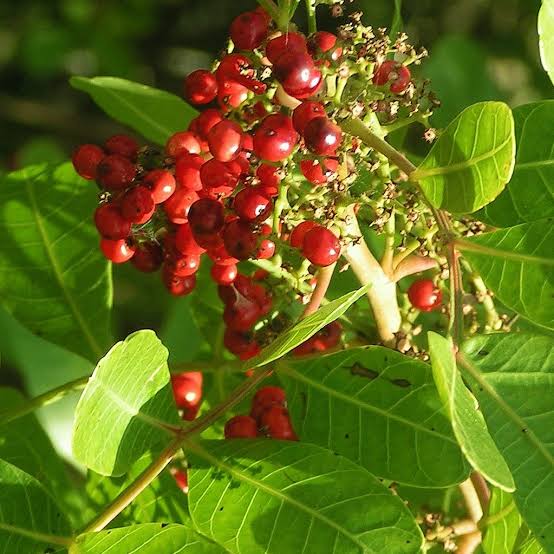
Grow Brazilian Pepper Tree from seed for glossy green foliage, branching growth, and clusters of small flowers followed by colorful berries. A distinctive warm-climate ornamental for suitable landscapes and spacious garden settings.
Key Features
- Produces glossy green foliage with a lush evergreen appearance.
- Develops branching growth that can form a small tree or large shrub.
- Features small flowers followed by clusters of colorful ornamental berries.
- Suited to warm-climate landscapes where cultivation is permitted.
- Adds tropical character and dense greenery to spacious garden settings.
Growing Benefits
- Glossy foliage creates a lush backdrop for warm-climate landscapes.
- Colorful berries add seasonal visual interest after flowering.
- Branching form provides structure and screening potential in suitable spaces.
- Evergreen character offers greenery throughout much of the year.
- Tropical appearance complements subtropical and Mediterranean-style garden designs.
Seed Specifications
- Common Name: Brazilian Pepper Tree, Brazilian Peppertree
- Botanical Name: Schinus terebinthifolia
- Plant Type: Evergreen shrub or small tree
- Foliage Color: Glossy green
- Leaf Form: Compound leaves with multiple leaflets
- Growth Habit: Upright, branching, and spreading
- Flower Color: Small white to cream flowers
- Fruit Color: Green berries that mature to pink, red, or reddish-purple
- Sunlight: Full sun to partial shade
- Soil: Well-drained, moderately fertile soil
- Water: Moderate during establishment; drought tolerance may improve once established
- Germination Time: Approximately 2–8 weeks under favorable conditions
- Sowing Depth: Approximately ¼ inch or cover lightly
- Spacing: Allow substantial room for mature growth; approximately 15–30 feet or more depending on intended form
- Growing Zones: Warm USDA Zones 9–11; local regulations and environmental conditions should be checked before planting
- Flowering/Maturity: Mature plants produce small flowers followed by colorful berry clusters
- Uses: Ornamental screening, warm-climate landscapes, specimen plantings, and spacious garden settings where legally and environmentally appropriate
Growing Tips
- Check local invasive-plant regulations before purchasing or planting, especially in warm regions where Brazilian pepper tree can spread aggressively.
- Choose a sunny location with well-drained soil and plenty of room for mature growth.
- Keep young seedlings evenly moist while roots establish, but avoid prolonged waterlogging.
- Remove developing fruit clusters if local guidance recommends preventing seed dispersal.
Seed Storage
Store unused seeds in a cool, dry, dark location. Keep them sealed in their original packet or an airtight container away from moisture, heat, and direct sunlight.
Important Growing Note
Brazilian Pepper Tree is considered invasive in some warm regions, including parts of the southern United States. Before planting, check your state and local invasive-species regulations and environmental recommendations. Do not plant where cultivation is prohibited or where it could spread into sensitive natural areas.
Unique Facts About Seeds
- Brazilian Pepper Tree belongs to the same botanical family as cashew and mango.
- Its compound foliage gives the plant a dense, leafy appearance.
- Small flowers can be followed by clusters of bright ornamental berries.
- The species can spread aggressively in favorable warm climates, making responsible planting and seed management important.