


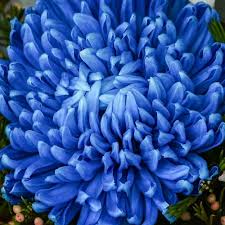
Grow Blue Violet Chrysanthemums from heirloom non-GMO seeds for colorful daisy-like blooms and attractive green foliage. Ideal for flower beds, borders, containers, cottage gardens, cutting gardens, and seasonal ornamental displays.
Key Features
- Produces blue-violet to purple-toned chrysanthemum-style blooms depending on variety.
- Heirloom, non-GMO flower seeds for home gardeners.
- Adds rich seasonal color to flower beds and mixed borders.
- Suitable for containers, patios, cottage gardens, and cutting gardens.
- Performs best in full sun with fertile, well-drained soil.
- Open blooms can provide forage for visiting bees and other flower-loving insects.
Growing Benefits
- Adds striking blue-violet tones to garden displays.
- Provides attractive seasonal color for borders and flower beds.
- Suitable for containers and smaller ornamental spaces.
- Flowers can be harvested for decorative arrangements.
- Works well in cottage, formal, and pollinator-friendly garden designs.
Seed Specifications
- Common Name: Chrysanthemum, Garden Mum
- Botanical Name: Chrysanthemum spp.
- Plant Type: Herbaceous perennial, commonly grown as an annual or seasonal bedding plant
- Flower Color: Blue-violet, violet, purple, or related shades depending on variety
- Flower Shape: Daisy-like or double blooms depending on variety
- Foliage: Green, lobed or divided leaves
- Growth Habit: Upright, compact, and branching
- Sunlight: Full sun
- Soil: Fertile, well-drained soil enriched with organic matter
- Water: Moderate; maintain consistent moisture during active growth
- Germination Time: Approximately 10–20 days under favorable conditions
- Sowing Depth: Surface sow or cover very lightly
- Spacing: Approximately 12–18 inches depending on variety
- Growing Zones: Generally USDA Zones 5–9, depending on species and cultivar
- Flowering: Late summer through fall, depending on variety and growing conditions
- Uses: Flower beds, borders, containers, cottage gardens, cutting gardens, patios, and pollinator-friendly landscapes
Growing Tips
- Surface sow or cover seeds only lightly because light can support germination.
- Start seeds indoors several weeks before the last frost for an earlier growing season.
- Provide full sun and good airflow for sturdy plants.
- Keep the growing medium consistently moist during germination without making it waterlogged.
- Pinch young plants when appropriate to encourage bushier growth.
- Remove faded blooms to maintain a tidy appearance and encourage continued flowering.
Seed Storage
Store unused seeds in a cool, dry, dark location. Keep them sealed in their original packet or an airtight container away from moisture, heat, and direct sunlight.
Important Growing Note
“Blue Violet Chrysanthemum” is a descriptive color name rather than a single botanical species or standard chrysanthemum classification. Naturally blue chrysanthemums are uncommon, and seed-grown plants can vary in flower color and form. Verify the botanical name and cultivar associated with the seed packet before making specific color claims.
Unique Facts
- Chrysanthemums belong to the Asteraceae family, which also includes daisies and sunflowers.
- A chrysanthemum flower head is made up of many individual tiny flowers called florets.
- Chrysanthemums are available in numerous flower forms, from open-centered daisies to densely petaled blooms.
- Flowering is strongly influenced by day length in many chrysanthemum varieties.