Skip to product information
1 of 4

EdenValleySeeds

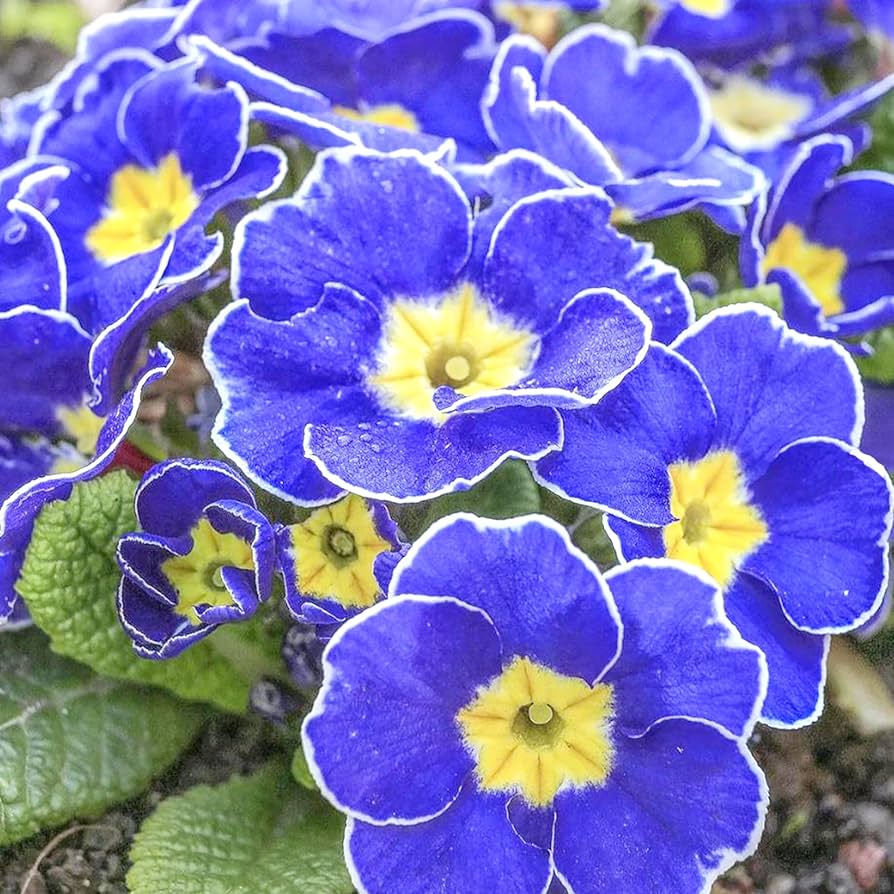
Blue Primrose Flower Seeds for Planting | Beautiful Garden Blooms

Blue Primrose Flower Seeds for Planting | Beautiful Garden Blooms

No reviews yet
Regular price $18.89 USD
Regular price Sale price $18.89 USD
Sale Sold out
Size
Quantity
DELIVERY ESTIMATE
Oct 22 – Oct 24 Estimated arrival
ORDER Oct 12 Order placed
ORDER READY Oct 14 – Oct 15 2–3 business days
DELIVERED Oct 22 – Oct 24 10–12 business days total
Carefully packed and tracked from dispatch to delivery.
Secure checkout Carefully packed seeds Tracked delivery Quality-focused selection
View full details

Key Features

  • Produces charming blue to blue-violet primrose-style flowers.
  • Compact, low-growing plants with attractive green foliage.
  • Ideal for flower beds, borders, woodland gardens, and cottage gardens.
  • Cool-season flowering habit adds color when many summer flowers are dormant.
  • Beautiful blooms create a delicate, natural-looking garden display.

Growing Benefits

  • Adds soft blue color and graceful charm to garden spaces.
  • Compact growth makes it suitable for borders and smaller beds.
  • Works beautifully in cottage, woodland, and naturalistic garden designs.
  • Cool-season growth provides seasonal interest in suitable climates.
  • Attractive flowers can complement other shade-loving or cool-season plants.

Seed Specifications

  • Common Name: Blue Primrose
  • Botanical Name: Primula spp.
  • Plant Type: Herbaceous flowering perennial, depending on species
  • Colors: Blue, blue-violet, and related shades
  • Height: Generally six to twelve inches, depending on variety
  • Sunlight: Partial shade to gentle morning sun
  • Soil: Moist, fertile, well-draining soil rich in organic matter
  • Water: Keep soil evenly moist without allowing it to remain waterlogged
  • Germination Time: Commonly several weeks under suitable conditions
  • Sowing Depth: Surface sow or press lightly into the soil; many primrose seeds need light
  • Spacing: Allow approximately six to twelve inches between plants
  • Growing Zones: Commonly suited to USDA Zones four through eight, depending on species
  • Flowering/Maturity: Typically flowers during cool-season or spring conditions after establishment
  • Uses: Flower beds, borders, woodland gardens, cottage gardens, and shaded planting areas

Growing Tips

  • Press seeds gently onto moist soil rather than burying them deeply.
  • Provide bright, indirect light or gentle morning sunlight.
  • Keep the seed-starting medium consistently moist but never soggy.
  • Give seedlings good airflow to encourage healthy, compact growth.

Seed Storage

Store unused seeds in their original packet or a sealed, moisture-resistant container. Keep them in a cool, dry, dark location away from heat and humidity. Avoid storing seeds where temperatures and moisture fluctuate frequently.

Unique Facts About Seeds

  • Primrose belongs to the genus Primula, which contains many diverse flowering species.
  • Many primrose species naturally prefer cool conditions and moist, fertile soils.
  • Primrose seeds can be very small and are often best surface sown.
  • Some primrose species benefit from a period of cool, moist conditions before germination.

Growing Instructions

Planting Season: Sow during a cool growing period appropriate for your local climate. Primroses generally perform best when temperatures are mild rather than intensely hot.

Sowing: Prepare a fine, moist seed-starting mix and scatter the seeds over the surface. Press them gently into the growing medium without covering them heavily, as many primrose seeds benefit from light for germination.

Depth & Spacing: Surface sow or barely cover the seeds. Once seedlings are established, provide approximately six to twelve inches of growing space between plants.

Sunlight: Choose partial shade or a location receiving gentle morning sunlight. Protect plants from intense afternoon heat, particularly in warmer climates.

Soil: Use fertile, moisture-retentive but well-draining soil. Incorporating mature organic matter can improve soil structure and moisture retention.

Watering: Keep the soil consistently moist during germination and early growth. Water when the surface begins to dry, while avoiding prolonged waterlogging.

Germination: Germination can take several weeks and may be uneven. Maintain consistent moisture and suitable cool conditions rather than disturbing the seeds frequently.

Transplanting: When seedlings have developed several true leaves and are strong enough to handle, transplant them carefully into their permanent location. Harden plants gradually before outdoor planting.

Fertilizing: Feed established plants lightly with a balanced fertilizer during active growth if the soil is not sufficiently fertile. Avoid excessive fertilization.

Care: Remove damaged or faded flowers to maintain a tidy appearance. Keep the surrounding soil evenly moist and provide good airflow around the plants.

Flowering/Maturity: Flowering generally occurs during cool-season or spring conditions, depending on the species, climate, and growing environment.