



Key Features
-
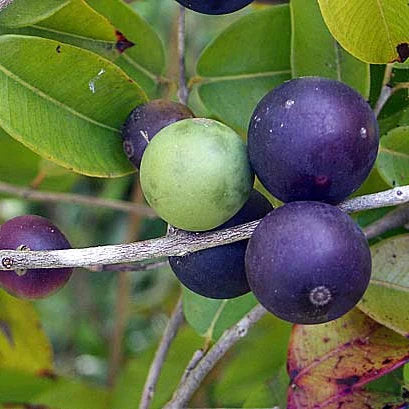
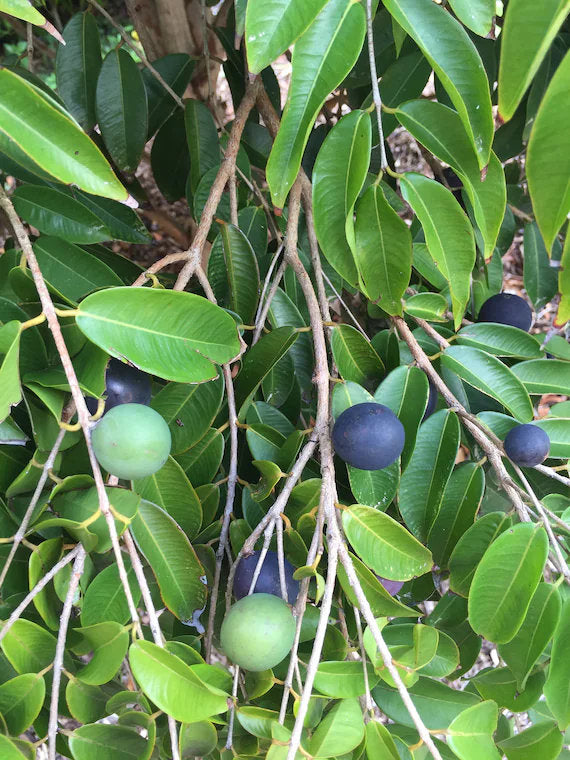
Variety: Blue Jaboticaba, a name that should be verified against the seed supplier's botanical identification.
-
Fruit Color: Blue or dark blue fruit is suggested by the common name, but the exact variety requires confirmation.
-
Plant Characteristics: Jaboticaba-type trees are evergreen tropical or subtropical fruit trees.
-
Garden Uses: Suitable for tropical gardens, home orchards, and suitable large growing containers.
-
Unique Appeal: Jaboticaba trees are known for fruit that can grow directly on the trunk and older branches in recognized species.
Growing Benefits
-
Adds an interesting tropical fruit tree to a home garden.
-
Offers an opportunity to learn about growing fruit from seed.
-
Provides attractive evergreen foliage in suitable warm climates.
-
Can become a distinctive feature in a tropical home orchard.
-
Allows gardeners to explore unusual fruit varieties and tree-growing techniques.
Seed Specifications
-
Common Name: Blue Jaboticaba
-
Botanical Name: Unconfirmed; jaboticaba commonly refers to species in the genus Plinia.
-
Plant Type: Evergreen tropical or subtropical fruit tree, depending on the species.
-
Colors: Foliage is generally green; the exact mature fruit color of the named variety needs supplier confirmation.
-
Height: Depends on the species, cultivar, climate, and growing conditions.
-
Sunlight: Full sun to partial shade; protect young seedlings from intense direct sun.
-
Soil: Rich, moist, well-drained soil with suitable acidity.
-
Water: Moderate, consistent moisture, with good drainage.
-
Germination Time: Variable; fresh seeds may take several weeks or longer, depending on conditions.
-
Sowing Depth: Cover seeds lightly with moist seed-starting medium.
-
Spacing: Allow room for a spreading shrub or small tree; final spacing depends on the growing environment.
-
Growing Zones: Best suited to tropical climates; protect from cold and frost.
-
Flowering/Maturity: Flowering and fruiting depend on plant maturity, climate, and growing conditions.
-
Uses: Edible fruit, tropical home gardens, ornamental landscaping, and suitable containers.
Growing Tips
-
Choose fresh seeds and sow them promptly to preserve viability.
-
Maintain warm conditions and keep the seed-starting medium evenly moist.
-
Protect young seedlings from strong afternoon sun and drying winds.
-
Transplant carefully after seedlings develop established roots and healthy leaves.
Seed Storage
Blue jaboticaba seeds may lose viability when allowed to dry or stored for extended periods. For best results, sow fresh seeds soon after collection. If immediate sowing is not possible, keep them briefly in a clean, slightly moist medium and avoid prolonged storage.
Unique Facts About Blue Jaboticaba Seeds
-
Known as the blue grape tree: Myrciaria vexator is also called blue grape or false jaboticaba.
-
Distinctive bark: The tree has reddish-brown bark that peels to reveal contrasting colors beneath.
-
Tropical origins: This species is native to parts of Central America and northern South America.
-
Interesting fruit tree: It produces dark-colored fruit and can be grown as a shrub or small tree in suitable tropical climates.