


Key Features
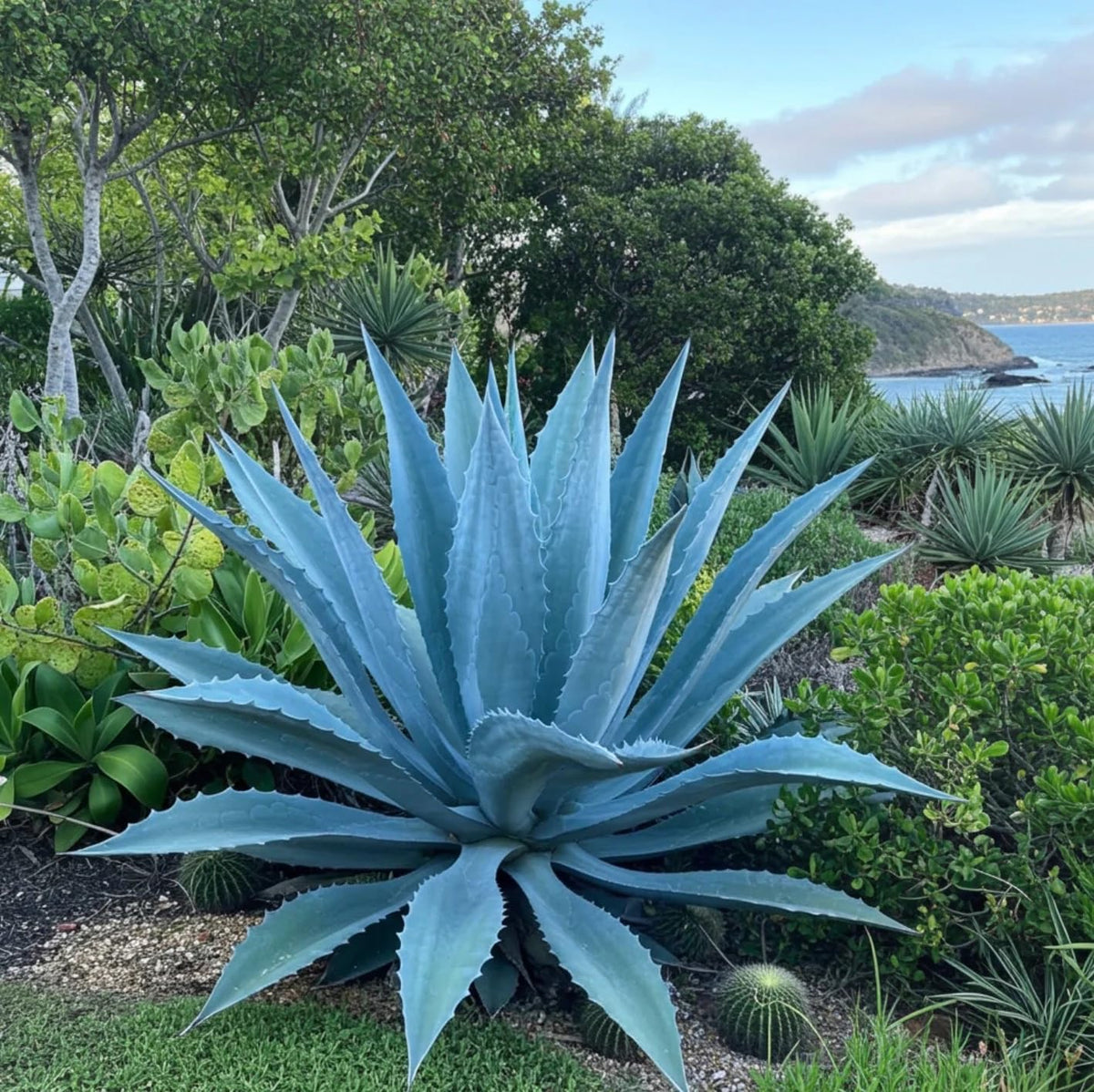
- Distinctive Succulent Variety: Echeveria purpusorum forms a compact, attractive rosette with sculptural foliage.
- Blue-Green Appearance: Leaves may develop cool blue-green to gray-green tones with darker markings.
- Compact Growth: A rosette-forming succulent well suited to sunny windowsills, containers, rock gardens, and succulent displays.
- Architectural Foliage: Thick, pointed leaves create a symmetrical and eye-catching geometric form.
- Collector-Friendly Plant: An appealing choice for succulent enthusiasts interested in growing Echeveria from seed.
Growing Benefits
- Adds distinctive rosette form and texture to indoor or outdoor succulent collections.
- Suitable for containers, rock gardens, succulent arrangements, and sunny garden spaces.
- Offers an enjoyable seed-growing project for patient beginner gardeners.
- Compact growth makes it practical for small growing areas and windowsill collections.
- Develops attractive foliage that provides year-round ornamental interest in suitable conditions.
Seed Specifications
- Common Name: Blue Echeveria Purpusorum
- Botanical Name: Echeveria purpusorum
- Plant Type: Succulent perennial
- Colors: Blue-green to gray-green foliage, often with darker markings; flowers may be reddish-orange
- Height: Generally compact, around ten to fifteen centimeters at maturity
- Sunlight: Bright light to full sun, with gradual acclimation
- Soil: Very well-draining cactus or succulent soil
- Water: Light watering after the growing medium dries; avoid prolonged moisture
- Germination Time: Commonly several weeks under suitable conditions
- Sowing Depth: Surface sow; press seeds gently onto the growing medium without covering heavily
- Spacing: Allow enough room for seedlings to develop without overcrowding
- Growing Zones: Commonly grown outdoors in warm, frost-free climates; colder regions are better suited to container or indoor cultivation
- Flowering/Maturity: Mature plants can produce flower stalks during the growing season; seed-grown plants require patience to reach mature size
- Uses: Containers, windowsills, rock gardens, succulent collections, decorative displays, and xeric-style gardens
Growing Tips
- Use a sterile, finely textured succulent seed-starting mix that drains freely.
- Keep the seeds on the surface because they need light to support germination.
- Provide bright filtered light and protect young seedlings from intense midday heat.
- Maintain gentle moisture around seedlings while avoiding waterlogged growing media.
Seed Storage
Store unused seeds in a cool, dry, dark location inside a tightly sealed container or moisture-resistant packet. Keep them away from heat, humidity, and direct sunlight. Label the container with the plant name and storage date.
Unique Facts About Seeds
- Echeveria purpusorum is a compact rosette-forming succulent in the Crassulaceae family.
- The species is known for its thick, pointed leaves and attractive darker leaf markings.
- Echeveria seeds are extremely small and are generally surface sown rather than deeply buried.
- Seed-grown Echeverias can show natural variation in foliage characteristics as they develop.