


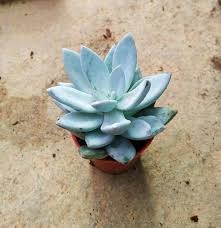
Grow Blue Echeveria from seed for beautiful rosettes of fleshy blue-green to powdery foliage. These compact succulents bring elegant texture to containers, rock gardens, windowsills, and bright, well-drained garden spaces.
Key Features
- Produces compact rosettes of fleshy blue-green succulent leaves.
- Adds soft, sculptural texture to sunny succulent collections.
- Ideal for containers, rock gardens, patios, and bright indoor spaces.
- Performs best in bright light and sharply drained soil.
- Compact growth makes it suitable for small-space gardening.
Growing Benefits
- Blue-green foliage adds cool, soothing color to succulent displays.
- Compact rosettes fit beautifully into containers and small gardens.
- Water-wise growth suits gardeners seeking low-maintenance succulent plants.
- Sculptural texture creates visual interest among rocks and other succulents.
- Container-friendly habit makes these plants versatile for patios and windowsills.
Seed Specifications
- Common Name: Echeveria, Blue Echeveria
- Botanical Name: Echeveria spp.
- Plant Type: Perennial succulent
- Foliage Color: Blue-green, gray-green, or powdery green depending on species and seed line
- Leaf Form: Fleshy, rounded to pointed leaves arranged in rosettes
- Growth Habit: Compact, rosette-forming
- Flower Color: Varies by species; often pink, orange, yellow, or red
- Sunlight: Bright light to full sun
- Soil: Gritty, porous, sharply drained soil
- Water: Low once established; moderate during early seedling growth
- Germination Time: Approximately 1–4 weeks under favorable conditions
- Sowing Depth: Surface sow; do not deeply bury seeds
- Spacing: Approximately 4–8 inches for young plants, depending on species
- Growing Zones: Generally suited to USDA Zones 9–11; commonly grown as container plants elsewhere
- Flowering/Maturity: Mature plants can produce tall flower stalks; seed-grown plants may require several seasons to reach flowering size
- Uses: Succulent collections, containers, rock gardens, patios, windowsills, indoor displays, and warm-climate landscapes
Growing Tips
- Use a fine, sterile succulent seed-starting mix with excellent drainage.
- Surface sow the tiny seeds and avoid covering them deeply.
- Provide bright filtered light during early seedling development before gradually increasing direct sunlight.
- Water carefully and maintain airflow to reduce the risk of excessive moisture around young seedlings.
Seed Storage
Store unused seeds in a cool, dry, dark location. Keep them sealed in their original packet or an airtight container away from moisture, heat, and direct sunlight.
Important Growing Note
“Blue Echeveria” can refer to different Echeveria species or cultivated selections. Exact foliage color, rosette shape, mature size, and flower characteristics may vary when growing from seed. Seed-grown plants may not reproduce a specific named parent exactly.
Unique Facts About Seeds
- Echeveria forms distinctive rosettes from overlapping fleshy leaves.
- Many species have a natural powdery coating called farina on their leaves.
- The genus is named after Mexican botanical illustrator Atanasio Echeverría y Godoy.
- Mature Echeveria can produce arching flower stalks that rise above the rosette.