


Key Features
-
Grow Black Hawthorn from seed for a rewarding long-term gardening project
-
Attractive woody plant with branching growth and seasonal interest
-
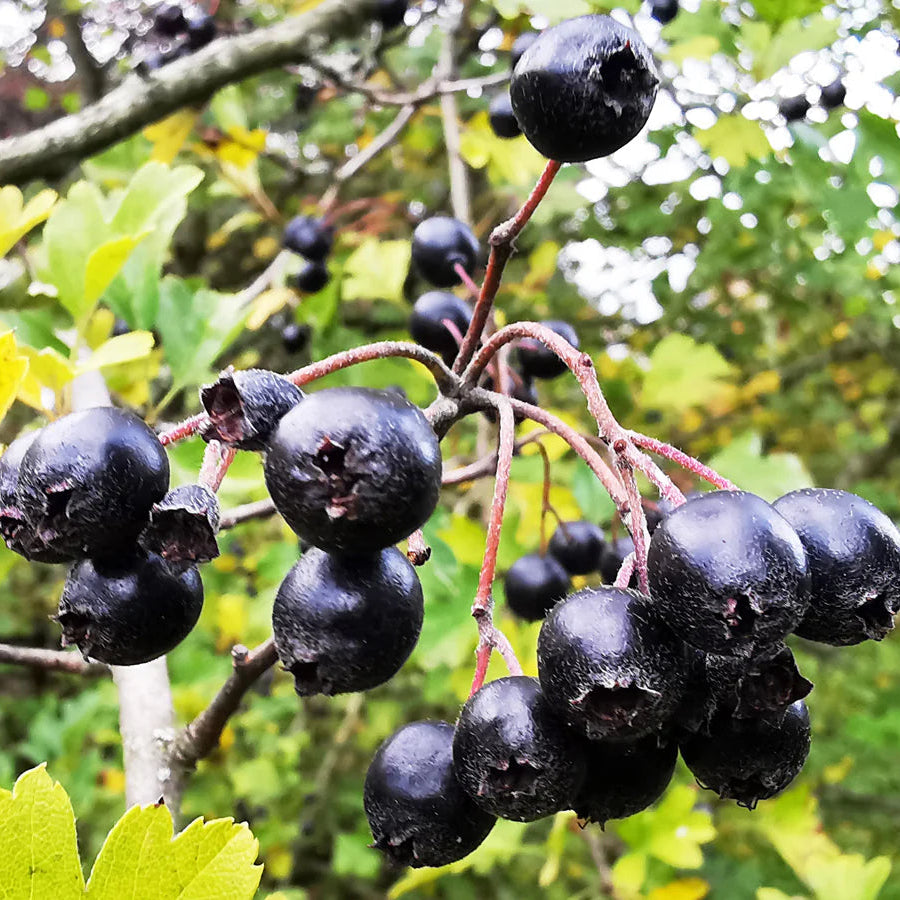
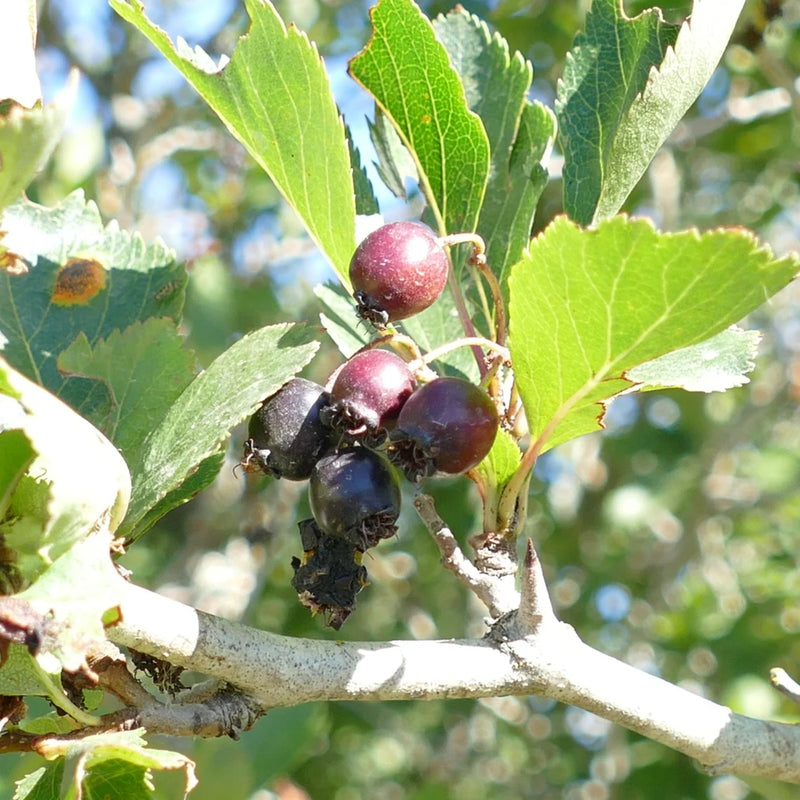
Dark fruit adds distinctive color when plants reach fruiting maturity
-
Excellent choice for wildlife gardens, naturalized landscapes, and specimen plantings
-
Beautiful addition to collections featuring unusual trees and shrubs
Growing Benefits
Black Hawthorn can bring a naturally rugged character to gardens and landscapes. Its branching form, seasonal foliage, flowers, and dark fruit create changing visual interest throughout the growing season. Once established, hawthorn can also contribute valuable habitat and food resources for wildlife.
Seed Specifications
-
Plant Type: Woody tree or shrub
-
Common Name: Black Hawthorn
-
Genus: Crataegus
-
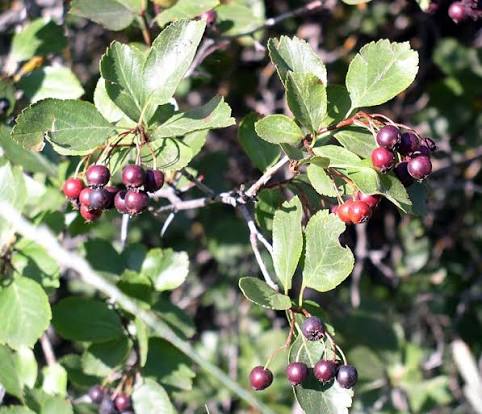
Fruit Color: Dark red to black, depending on species
-
Garden Use: Wildlife gardens, naturalized areas, borders, and specimen plantings
Growing Tips
-
Choose a location with full sun for strong growth and flowering.
-
Use well-draining soil and avoid persistently waterlogged conditions.
-
Keep young seedlings evenly moist while their root systems develop.
-
Give mature plants adequate room for branching and canopy development.
Seed Storage
Store seeds in a cool, dry location away from direct sunlight and excessive humidity. Keep them in a sealed container until planting. Avoid heat and moisture exposure to help maintain seed quality.
Unique Facts About Seeds
-
Hawthorns belong to the genus Crataegus within the rose family.
-
Hawthorn species are commonly recognized for their thorny branches and small flowers.
-
Fruit color varies among hawthorn species and can range from red to dark purple or nearly black.
-
Hawthorn plants provide seasonal habitat and food resources for various wildlife.
-
Hawthorn seeds commonly have natural dormancy and may require a period of cold, moist conditions before germination.