


Key Features
-
Grow Black Chinese Bayberry trees from seed for a distinctive fruit-growing experience.
-
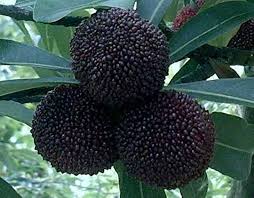
Produces attractive dark-colored bayberry fruits under suitable growing conditions.
-
Evergreen foliage gives the tree a lush appearance throughout the growing season.
-
Ideal for warm-climate gardens, patios, conservatories, and large containers.
-
An excellent choice for gardeners interested in unusual Asian fruit varieties.
Growing Benefits
-
Adds year-round greenery and attractive structure to suitable garden spaces.
-
Offers an engaging experience growing an unusual fruit tree from seed.
-
Provides an opportunity to explore a distinctive Chinese fruit variety at home.
-
Can be started in containers while young and protected during colder weather.
-
Makes an interesting addition to edible gardens and specialty fruit collections.
Seed Specifications
-
Plant Type: Evergreen fruit tree
-
Seed Type: Black Chinese Bayberry fruit seeds for planting
-
Growth Habit: Woody, branching tree with dense foliage
-
Growing Environment: Warm outdoor gardens or protected containers
-
Best Use: Fruit gardens, patios, conservatories, and specialty plant collections
Growing Tips
-
Start seeds in a warm, fertile, well-draining growing medium.
-
Maintain consistent moisture during germination without creating waterlogged conditions.
-
Provide bright sunlight as seedlings become established.
-
Protect young plants from frost and prolonged cold temperatures.
Seed Storage
Keep unused seeds in a cool, dry place away from direct sunlight, excessive humidity, and heat. Store them in a sealed container until planting and avoid prolonged exposure to moisture.
Unique Facts About Seeds
-
Chinese bayberry is commonly known as yangmei and is associated with Morella rubra.
-
The tree is native to parts of China and other areas of East Asia.
-
Bayberry fruits can develop from pinkish or red tones to deeper purple shades as they mature.
-
Chinese bayberry is an evergreen tree suited to warm growing conditions.
-
Seed-grown trees can vary from the parent plant and may require several years to reach fruiting maturity