


Key Features
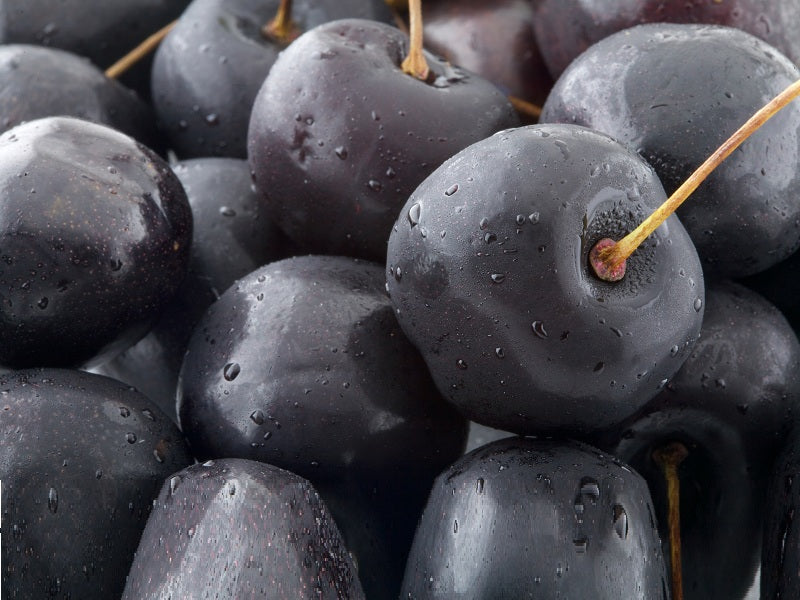
- Produces dark purple to nearly black cherry fruits when mature
- Deciduous tree with attractive foliage and naturally spreading growth
- Suitable for larger gardens, orchards, woodland-style landscapes, and wildlife areas
- Fragrant white flowers appear in spring before the fruit develops
- Grown from seed for a long-term tree-growing project
Growing Benefits
- Adds a distinctive fruiting tree to suitable outdoor landscapes
- Provides seasonal flowers, foliage, and fruit interest
- Offers an enjoyable long-term gardening project from seed
- Supports natural garden habitats and attracts fruit-eating wildlife
- Develops into a substantial tree when given adequate space
Seed Specifications
Common Name: Black Cherry, Wild Black Cherry
Botanical Name: Prunus serotina
Plant Type: Deciduous fruiting tree
Colors: White flowers, green foliage, dark red to black fruit
Height: Large tree that can reach substantial mature height; allow plenty of growing space
Growing Conditions
Sunlight: Full sun to partial shade
Soil: Well-drained, moderately fertile soil with good organic matter
Water: Keep evenly moist during establishment; avoid prolonged waterlogging
Germination Time: Variable; seeds commonly require a period of cold stratification
Sowing Depth: Sow shallowly, with a light covering of suitable growing medium
Spacing: Give seedlings ample room and transplant young trees to their permanent location as they develop
Growing Zones: Generally suited to temperate climates; local conditions should be considered
Flowering/Maturity: White flowers appear in spring, followed by fruit that ripens later in the growing season
Uses: Fruit production, woodland gardens, naturalized landscapes, wildlife gardens, and large garden spaces
Growing Tips
- Provide a cold stratification period before sowing to help encourage germination.
- Use a well-draining seed-starting medium and keep it lightly moist.
- Give emerging seedlings bright light and protect young plants from extreme conditions.
- Transplant established seedlings carefully into spacious, well-drained ground.
Seed Storage
Store unused seeds in a cool, dry, dark location away from moisture and heat. Keep them in a sealed seed container or moisture-resistant packet. Avoid exposing stored seeds to direct sunlight or fluctuating temperatures.
Unique Facts About Black Cherry Seeds
- Black cherry is native to much of eastern and central North America.
- The tree produces fragrant white flower clusters during spring.
- Its small fruits mature from reddish shades to dark purple or nearly black.
- Black cherry is an important native tree for various birds and wildlife.