


Key Features
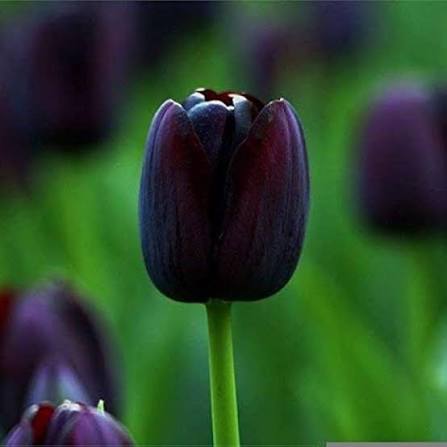
- Produces dramatic dark blooms with a distinctive tulip-like flower form.
- Upright annual growth creates an attractive display in sunny garden spaces.
- Suitable for flower beds, borders, containers, cottage gardens, and naturalized plantings.
- Performs best in full sun and well-drained soil.
- Unique dark coloring adds contrast and visual interest to mixed flower displays.
Growing Benefits
- Adds dramatic dark tones to colorful garden arrangements.
- Creates strong visual contrast beside lighter flowers and green foliage.
- Suitable for containers, borders, beds, and cottage-style plantings.
- Performs well in sunny locations with relatively simple care.
- Provides an unusual flower option for gardeners seeking distinctive displays.
Seed Specifications
- Common Name: California Poppy, Tulip Poppy
- Botanical Name: Eschscholzia californica
- Plant Type: Annual or short-lived perennial
- Colors: Dark burgundy, deep red, bronze, or near-black tones depending on variety
- Height: Approximately twelve to eighteen inches
- Sunlight: Full sun
- Soil: Well-drained, sandy to moderately fertile soil
- Water: Low to moderate once established
- Germination Time: Approximately ten to fifteen days under favorable conditions
- Sowing Depth: Surface sow or cover very lightly
- Spacing: Approximately six to twelve inches
- Growing Zones: USDA Zones six through ten as a perennial; grown as an annual in colder climates
- Flowering/Maturity: Generally flowers from spring through summer, depending on climate and planting time
- Uses: Flower beds, borders, containers, cottage gardens, rock gardens, and naturalized landscapes
Growing Tips
- Sow seeds directly because California poppies develop a sensitive taproot.
- Press seeds gently into the soil and avoid covering them deeply.
- Choose a sunny location with excellent drainage.
- Avoid excessive watering and fertilizer once plants are established.
Seed Storage
Store unused seeds in a cool, dry, dark location. Keep them in their original packet or an airtight container protected from moisture, heat, and direct sunlight.
Unique Facts About Seeds
- California poppy is scientifically known as Eschscholzia californica and belongs to the Papaveraceae family.
- Its flowers often close at night or during cloudy, cool weather and reopen in sunlight.
- California poppies are adapted to dry conditions and generally prefer well-drained soil.
- The plant is the official state flower of California.