



Key Features
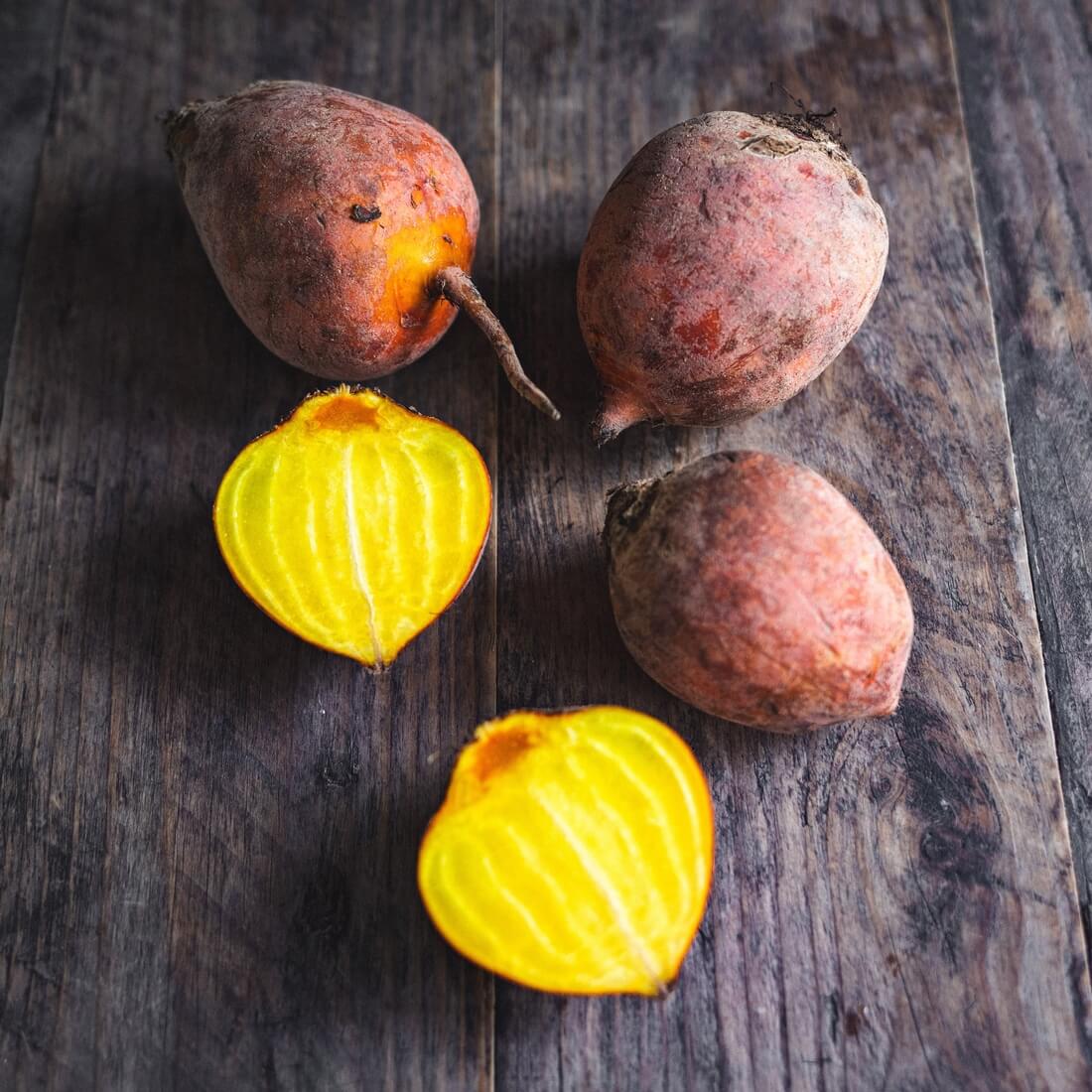
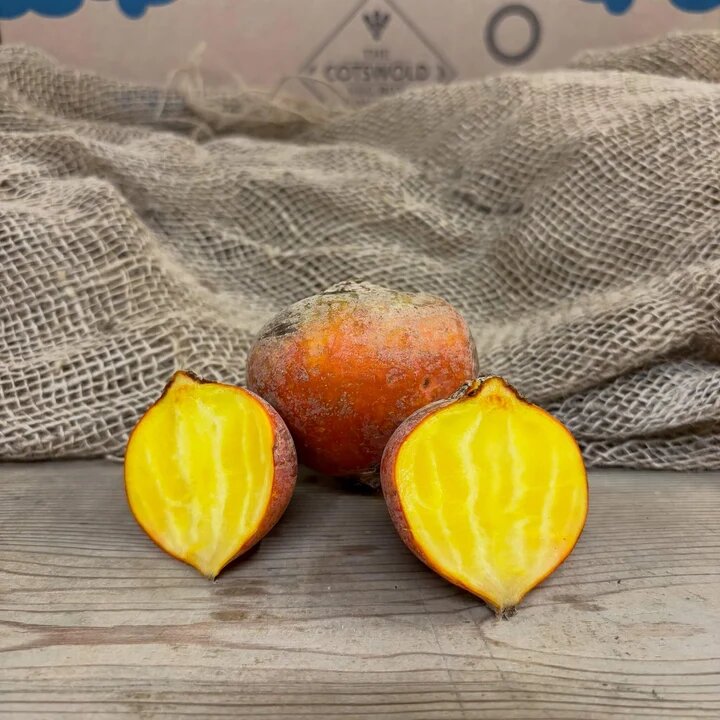
- Produces attractive golden-yellow beetroot with a vibrant garden appearance.
- Cool-season root vegetable suitable for home gardens and raised beds.
- Edible roots offer a mild, earthy, slightly sweet flavor.
- Colorful roots add visual interest to vegetable patches and harvest baskets.
- Useful for roasting, steaming, salads, pickling, and fresh cooking.
Growing Benefits
- Adds beautiful golden color to your home vegetable garden.
- Provides a rewarding root crop for beginner gardeners.
- Grows well in garden beds, containers, and raised beds.
- Offers versatile roots for fresh meals and creative recipes.
- Makes an appealing addition to colorful kitchen gardens.
Seed Specifications
- Common Name: Yellow Beetroot, Golden Beet, Golden Beetroot
- Botanical Name: Beta vulgaris
- Plant Type: Cool-season biennial root vegetable, commonly grown as an annual
- Colors: Golden yellow roots with green foliage
- Height: Approximately one to two feet, depending on growing conditions
- Sunlight: Full sun to partial shade
- Soil: Loose, fertile, well-draining soil with good organic matter
- Water: Keep soil consistently moist without waterlogging
- Germination Time: Usually about five to fourteen days
- Sowing Depth: About half an inch deep
- Spacing: Thin seedlings to approximately three to four inches apart
- Growing Zones: Generally suitable for USDA Zones three through ten
- Flowering/Maturity: Primarily grown for roots; harvest commonly begins around fifty to seventy days after sowing, depending on variety and conditions
- Uses: Fresh eating, roasting, steaming, salads, pickling, soups, and cooking
Growing Tips
- Sow seeds in loose soil so developing roots can grow smoothly.
- Thin crowded seedlings early to encourage well-shaped roots.
- Keep the soil evenly moist throughout root development.
- Harvest roots while young and tender for excellent texture.
Seed Storage
Store unused seeds in a cool, dry, dark location. Keep them in a sealed, moisture-resistant container away from humidity and direct sunlight. Avoid storing seeds in areas exposed to heat or frequent temperature changes.
Unique Facts About Seeds
- Beetroot belongs to the amaranth family, alongside spinach and Swiss chard.
- Beet seeds are actually clusters containing multiple seeds, so thinning is often necessary.
- Yellow beetroot varieties develop golden or yellow roots rather than the familiar deep red color.
- Beetroot leaves are also edible and can be cooked similarly to other leafy greens.