


Key Features
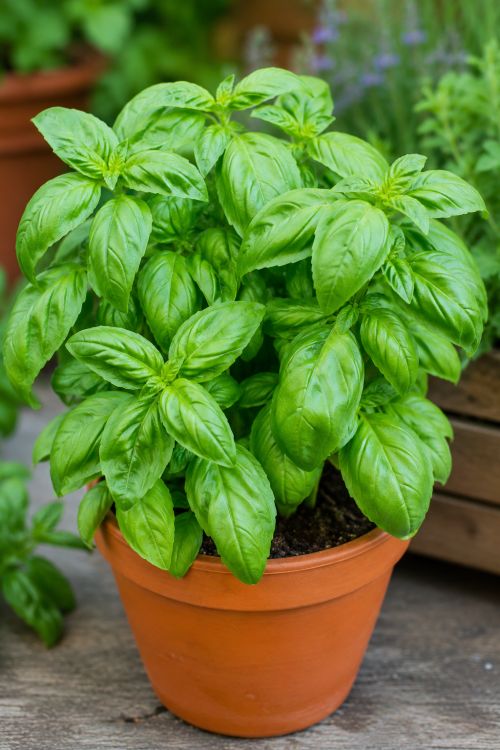
- Classic culinary basil with aromatic, bright green leaves.
- Produces lush, bushy plants with tender, flavorful foliage.
- Small white to pale purple flowers add ornamental garden appeal.
- Excellent for herb gardens, containers, kitchen gardens, and raised beds.
- Fresh leaves are ideal for pesto, salads, sauces, pasta, and garnishes.
Growing Benefits
- Enjoy fresh basil leaves conveniently grown at home.
- Adds fragrant greenery and attractive foliage to garden spaces.
- Suitable for containers, balconies, raised beds, and outdoor gardens.
- Regular harvesting encourages fuller, bushier plant growth.
- Provides a versatile culinary herb throughout the growing season.
Seed Specifications
Common Name: Basil, Sweet Basil, Garden Basil
Botanical Name: Ocimum basilicum
Plant Type: Annual culinary herb
Colors: Green foliage with white to pale purple flowers
Height: Approximately one to two feet
Sunlight: Full sun, ideally with several hours of direct light daily
Soil: Fertile, well-draining soil enriched with organic matter
Water: Moderate and consistent moisture; avoid waterlogged soil
Germination Time: Typically five to ten days under favorable conditions
Sowing Depth: About one-quarter inch deep
Spacing: Approximately eight to twelve inches between plants
Growing Zones: Commonly grown as an annual across USDA Zones two through eleven
Flowering/Maturity: Leaves can be harvested once plants are established; flowering commonly begins during the growing season
Uses: Pesto, pasta, salads, sauces, soups, garnishes, herb gardens, containers, and kitchen gardens
Growing Tips
- Pinch growing tips regularly to encourage bushier, more productive plants.
- Sow seeds after the danger of frost has passed in your area.
- Keep the soil evenly moist while seeds are germinating.
- Harvest leaves frequently before extensive flowering for tender foliage.
Seed Storage
Store unused basil seeds in a cool, dry, dark location. Keep them sealed in an airtight container or moisture-resistant seed packet. Protect seeds from heat, humidity, and direct sunlight. Always use clean, dry hands when handling stored seeds.
Unique Facts About Seeds
- Basil belongs to the mint family, Lamiaceae.
- Basil seeds are very small and should be covered only lightly with soil.
- The plant develops aromatic leaves due to naturally occurring essential oils.
- Allowing basil to flower can attract pollinators while producing seeds for future planting.