


Key Features
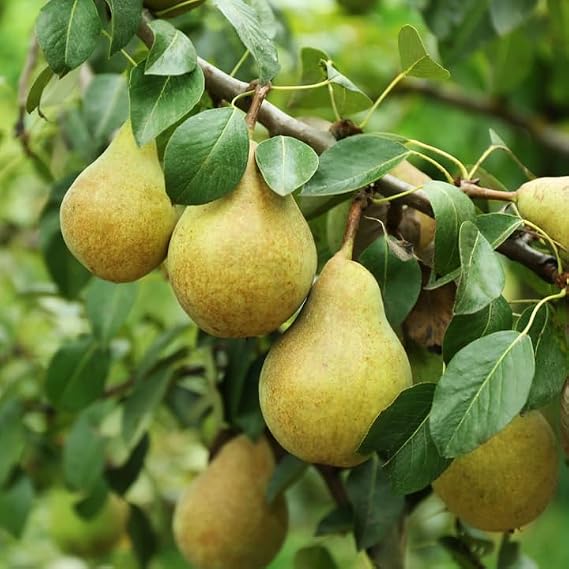
- Bartlett pear variety known for attractive green to yellow fruit when mature.
- Deciduous fruit tree with spring blossoms and a classic upright growth habit.
- Suitable for home gardens, backyard orchards, edible landscapes, and container growing while young.
- Pear seedlings can develop attractive foliage and become long-lived garden trees with proper care.
- Seed-grown trees may vary from the parent Bartlett pear in fruit quality and characteristics.
Growing Benefits
- Adds a productive fruit-tree element to home gardens and edible landscapes.
- Provides seasonal interest through spring flowers, green foliage, and developing fruit.
- Offers an enjoyable seed-to-tree gardening project for patient home growers.
- Can provide shade and structure as the tree matures.
- Encourages hands-on learning about fruit-tree growth and propagation.
Seed Specifications
- Common Name: Bartlett Pear, Williams Pear
- Botanical Name: Pyrus communis
- Plant Type: Deciduous fruit tree
- Colors: White spring flowers, green foliage, green to yellow fruit
- Height: Mature trees can reach substantial orchard-tree size; seed-grown height varies
- Sunlight: Full sun
- Soil: Deep, fertile, well-draining soil with good moisture retention
- Water: Regular watering during establishment; avoid waterlogged soil
- Germination Time: Commonly several weeks after proper cold stratification and sowing
- Sowing Depth: About one-half inch deep
- Spacing: Allow generous spacing for mature tree development
- Growing Zones: Generally suited to USDA Zones five through eight, depending on local conditions
- Flowering/Maturity: White flowers appear in spring; seed-grown trees require several years to reach fruiting maturity
- Uses: Home orchards, edible landscapes, backyard gardens, shade, and ornamental planting
Growing Tips
- Cold Stratify First: Keep clean pear seeds in a moist medium under cold conditions for several weeks before sowing.
- Use Fresh Potting Mix: Choose a sterile, well-draining seed-starting mix to encourage healthy root development.
- Provide Strong Light: Place emerging seedlings where they receive plenty of sunlight and good air circulation.
- Transplant Carefully: Move young seedlings outdoors gradually after frost danger has passed and plants are well established.
Seed Storage
Store unused seeds in a cool, dry, dark location inside an airtight container. Keep them away from humidity, heat, and direct sunlight. For longer storage, refrigeration can help maintain seed viability when seeds are properly sealed against moisture.
Unique Facts About Seeds
- Bartlett pear is also widely known as the Williams pear in many parts of the world.
- Pear seeds generally require a period of cold, moist stratification before they will germinate reliably.
- Trees grown from pear seeds are genetically different from the parent tree, so their future fruit may not exactly match Bartlett pears.
- Bartlett pears are a European pear cultivar belonging to Pyrus communis.