Skip to product information
1 of 3

EdenValleySeeds

Asparagus Vegetable Seeds for Planting – Heirloom Non-GMO Garden Seeds

Asparagus Vegetable Seeds for Planting – Heirloom Non-GMO Garden Seeds

No reviews yet
Regular price $18.89 USD
Regular price Sale price $18.89 USD
Sale Sold out
Size
Quantity
DELIVERY ESTIMATE
Oct 22 – Oct 24 Estimated arrival
ORDER Oct 12 Order placed
ORDER READY Oct 14 – Oct 15 2–3 business days
DELIVERED Oct 22 – Oct 24 10–12 business days total
Carefully packed and tracked from dispatch to delivery.
Secure checkout Carefully packed seeds Tracked delivery Quality-focused selection
View full details

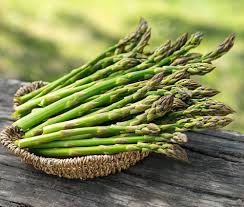
Grow asparagus from heirloom non-GMO seeds for slender green spears and attractive fern-like foliage. A long-lived perennial vegetable ideal for dedicated garden beds, raised beds, and productive home landscapes.

Key Features

  • Produces tender green asparagus spears from established plants.

  • Long-lived perennial vegetable that can return for many seasons.

  • Heirloom, non-GMO seeds for home vegetable gardens.

  • Ideal for dedicated beds, raised beds, and kitchen gardens.

  • Develops attractive, airy fern-like foliage after spear production.

  • Performs best in fertile, loose, well-drained soil.

Growing Benefits

  • Provides a long-term vegetable crop for dedicated garden beds.

  • Produces fresh asparagus spears for seasonal home cooking.

  • Adds attractive fern-like foliage to edible garden spaces.

  • Works well in raised beds with deep, fertile soil.

  • Offers a rewarding project for patient home gardeners.

Seed Specifications

  • Common Name: Asparagus

  • Botanical Name: Asparagus officinalis

  • Plant Type: Herbaceous perennial vegetable

  • Spear Color: Green

  • Flower Color: Greenish-white to yellowish

  • Flower Shape: Small inconspicuous flowers

  • Foliage: Fine, airy, fern-like green foliage

  • Growth Habit: Upright and clumping

  • Sunlight: Full sun

  • Soil: Deep, fertile, loose, well-drained soil

  • Water: Moderate and consistent during establishment

  • Germination Time: Approximately 14–28 days under favorable conditions

  • Sowing Depth: Approximately ½–1 inch

  • Spacing: Approximately 12–18 inches between plants

  • Growing Zones: Generally suited to USDA Zones 2–9, depending on local conditions

  • Flowering/Maturity: Seed-grown plants require several years to become established before substantial spear harvesting

  • Uses: Vegetable gardens, raised beds, dedicated asparagus beds, kitchen gardens, and edible landscapes

Growing Tips

  • Choose a permanent planting location because asparagus can remain productive for many years.

  • Prepare deep, fertile, well-drained soil before planting.

  • Be patient and allow young plants time to establish strong root systems.

  • Let fern-like foliage grow after the harvest period to help replenish the plant.

Seed Storage

Store unused seeds in a cool, dry, dark location. Keep them sealed in their original packet or an airtight container away from moisture, heat, and direct sunlight. Fresh, properly stored seed is generally preferable for reliable germination.

Important Growing Note

Asparagus is a long-lived perennial vegetable, and growing it from seed requires more patience than planting established crowns. Seed-grown plants generally need several seasons to develop strong root systems before significant harvesting. Choose a permanent, well-prepared planting location.

Unique Facts

  • Asparagus can remain productive in a suitable garden bed for many years.

  • The edible spears are young shoots that emerge from underground crowns.

  • If spears are left unharvested, they develop into tall, airy fern-like foliage.

  • Asparagus plants can produce separate male and female flowers, with female plants capable of developing berries.

  • A permanent asparagus bed can become a dependable part of a home vegetable garden.

Growing Instructions

Planting Season: Start seeds indoors in late winter or early spring, or sow outdoors when soil conditions become suitable. Transplant young plants after they have developed a healthy root system.

Sowing: Fill seed trays or small pots with a quality seed-starting mix. Sow seeds individually and cover lightly with growing medium.

Depth: Plant seeds approximately ½–1 inch deep.

Spacing: Transplant established seedlings approximately 12–18 inches apart in a permanent bed, allowing adequate room for mature crowns and roots.

Sunlight: Provide full sun for vigorous growth and productive spear development.

Soil: Use deep, fertile, loose, well-drained soil. Remove stones and compacted material from the planting area to encourage straight root and spear development.

Watering: Keep soil evenly moist during germination and early growth. Once established, water deeply and consistently during active growth, particularly during dry periods.

Germination: Seeds commonly germinate within approximately 14–28 days under favorable conditions. Soil temperature, moisture, and seed freshness can affect germination speed.

Thinning: Thin seedlings so the strongest plants have sufficient room to develop healthy root systems.

Transplanting: Harden seedlings gradually before moving them outdoors. Transplant young plants carefully and avoid damaging developing roots.

Fertilizing: Incorporate compost or well-aged organic matter before planting. Feed established plants with a balanced vegetable fertilizer according to soil conditions and product directions.

Care: Keep the asparagus bed free from weeds, especially while plants are young. Avoid disturbing established crowns and roots unnecessarily.

Flowering/Maturity: Asparagus is a long-lived perennial. Seed-grown plants need several growing seasons to establish substantial crowns before regular harvesting is recommended.

Harvesting: Allow young plants to establish before harvesting heavily. Once mature, harvest tender spears during the spring harvest period, stopping when spears become thinner so plants can produce fern-like foliage and replenish their roots.

Winter Care: Allow the foliage to mature and provide nutrients to the roots before it naturally declines. In colder climates, remove dried foliage when appropriate and protect the bed with a suitable layer of mulch.

Permanent Bed: Select the planting location carefully because asparagus can remain in the same garden bed for many years when properly maintained.