


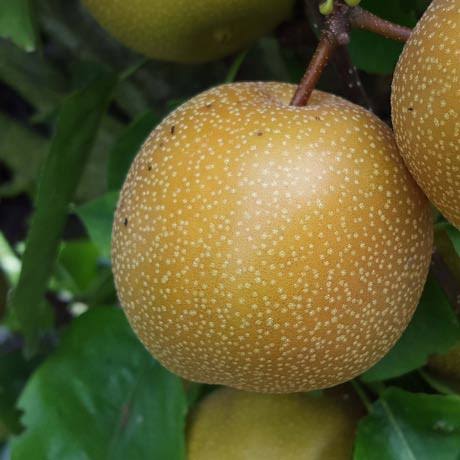
Key Features
- Grow a productive Asian pear tree with attractive white spring blossoms.
- Produces round to slightly oval pears with crisp, juicy fruit when mature.
- Deciduous fruit tree suitable for home gardens, orchards, and edible landscapes.
- Enjoys full sun, fertile soil, and consistent moisture during active growth.
- Seed-grown trees offer an interesting long-term gardening and propagation project.
Growing Benefits
- Adds a beautiful fruiting tree and seasonal interest to the garden.
- Provides an opportunity to grow Asian pear trees from seed.
- Crisp fruit can be enjoyed fresh or used in home recipes.
- White blossoms attract attention during the spring flowering season.
- Suitable for gardeners interested in edible landscaping and fruit trees.
Seed Specifications
- Common Name: Asian Pear, Japanese Pear, Chinese Pear, Nashi Pear
- Botanical Name: Pyrus pyrifolia
- Plant Type: Deciduous fruit tree
- Colors: White flowers; fruit may develop greenish-yellow, yellow-brown, or russeted skin depending on type
- Height: Commonly reaches about fifteen to thirty feet when mature, depending on growing conditions
- Sunlight: Full sun
- Soil: Well-drained, fertile soil with good organic matter
- Water: Regular, consistent watering; avoid prolonged waterlogging
- Germination Time: Variable, commonly several weeks after appropriate cold stratification
- Sowing Depth: About one-half inch deep
- Spacing: Allow approximately fifteen to twenty feet between full-sized trees
- Growing Zones: Generally suited to USDA Zones five through nine
- Flowering/Maturity: White flowers appear in spring; seed-grown trees require several years before potential fruit production
- Uses: Home orchards, edible landscapes, fruit gardens, shade, ornamental spring interest, and fresh fruit
Growing Tips
- Cold-stratify the seeds before sowing to help overcome natural dormancy.
- Choose a sunny planting location with excellent drainage and sufficient space.
- Keep the soil evenly moist during germination without making it waterlogged.
- Protect young seedlings from weeds, harsh weather, and competing plants.
Seed Storage
Store unused seeds in a cool, dry, dark location inside an airtight container. Keep them away from moisture, heat, and direct sunlight. For longer storage, follow appropriate refrigerated seed-storage practices and avoid temperature fluctuations.
Unique Facts About Seeds
- Asian pear is botanically known as Pyrus pyrifolia and belongs to the rose family, Rosaceae.
- Asian pears are often recognized for their crisp texture and rounded fruit shape.
- The tree produces clusters of attractive white flowers during spring.
- Trees grown from seed may differ from the parent fruit and can take several years to reach fruiting age.