


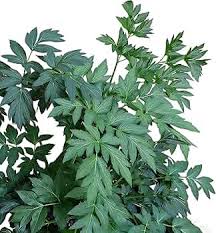
Grow Ashitaba from heirloom non-GMO seeds for vigorous green foliage and a distinctive perennial vegetable for home gardens. Ideal for containers, raised beds, herb gardens, kitchen gardens, and warm-climate growing spaces.
Key Features
-
Produces vigorous green foliage suitable for home vegetable gardens.
-
Perennial vegetable plant in suitable frost-free or mild climates.
-
Heirloom, non-GMO seeds for home garden growing.
-
Ideal for containers, raised beds, kitchen gardens, and herb beds.
-
Performs best in fertile, well-drained soil with consistent moisture.
-
Adds unusual edible greenery to diverse garden spaces.
Growing Benefits
-
Adds an unusual perennial vegetable to the kitchen garden.
-
Provides fresh leafy growth for home culinary use.
-
Works well in containers, raised beds, and garden borders.
-
Offers attractive green foliage for edible landscape plantings.
-
Can provide recurring growth in suitable mild climates.
Seed Specifications
-
Common Name: Ashitaba, Angelica keiskei
-
Botanical Name: Angelica keiskei
-
Plant Type: Herbaceous perennial vegetable
-
Leaf Color: Bright to medium green
-
Flower Color: Yellow-green to yellowish
-
Flower Shape: Small flowers arranged in rounded umbels
-
Foliage: Large, fleshy, green leaves with upright stems
-
Growth Habit: Upright and clumping
-
Sunlight: Full sun to partial shade
-
Soil: Fertile, loose, well-drained soil
-
Water: Moderate; maintain consistent moisture during active growth
-
Germination Time: Approximately 14–30 days under favorable conditions
-
Sowing Depth: Surface sow or cover very lightly
-
Spacing: Approximately 12–18 inches
-
Growing Zones: Best suited to mild climates; protect from severe frost and extreme cold
-
Flowering/Maturity: Mature plants may flower after sufficient establishment; leaf harvesting can begin once plants are well established
-
Uses: Vegetable gardens, herb gardens, containers, raised beds, kitchen gardens, and edible landscapes
Growing Tips
-
Sow seeds in a fertile, well-drained growing medium and avoid deep planting.
-
Provide bright light with some afternoon protection in very hot climates.
-
Keep the soil consistently moist while seedlings and young plants establish.
-
Harvest leaves selectively from established plants to encourage continued growth.
Seed Storage
Store unused seeds in a cool, dry, dark location. Keep them sealed in their original packet or an airtight container away from moisture, heat, and direct sunlight. Fresh seed is generally preferable for reliable germination.
Important Growing Note
Ashitaba is Angelica keiskei, a perennial plant traditionally cultivated as a vegetable in parts of East Asia. Although it is sometimes promoted for various health benefits, this product listing focuses on gardening and culinary use rather than making medicinal or nutritional claims. For food use, ensure the plant is correctly identified and grown under clean, suitable conditions.
Unique Facts
-
Ashitaba belongs to the Apiaceae family, which includes carrots, celery, parsley, and fennel.
-
The plant develops large, fleshy green leaves and upright stems.
-
Mature plants can produce rounded clusters of small yellow-green flowers.
-
Ashitaba is a perennial vegetable in suitable climates rather than a typical annual crop.
-
Selective leaf harvesting allows established plants to continue producing fresh growth.