




Key Features
-
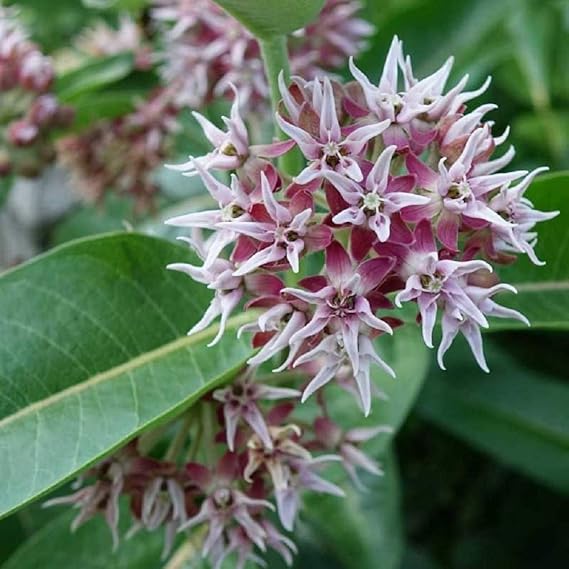
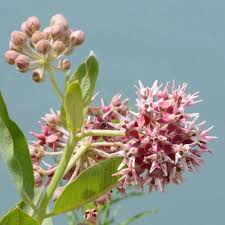
Produces large, rounded clusters of fragrant pink to mauve flowers.
-
Features broad, velvety green leaves on sturdy upright stems.
-
Ideal for native gardens, pollinator spaces, prairie plantings, borders, and naturalized landscapes.
-
Performs best in full sun with well-drained soil.
-
A valuable host plant for monarch butterfly caterpillars and a nectar source for many pollinators.
Growing Benefits
-
Adds bold color and architectural texture to native gardens.
-
Supports monarch butterflies by providing a host plant for their caterpillars.
-
Flower clusters provide nectar for bees, butterflies, and other beneficial insects.
-
Well suited to prairie, meadow, and wildlife-friendly garden designs.
-
Established plants can return year after year in suitable growing conditions.
Seed Specifications
-
Common Name: Showy Milkweed
-
Botanical Name: Asclepias speciosa
-
Plant Type: Herbaceous perennial
-
Colors: Pink, mauve, and rose
-
Height: Approximately two to six feet
-
Sunlight: Full sun
-
Soil: Well-drained, moderately fertile soil
-
Water: Moderate during establishment; lower once established
-
Germination Time: Approximately fourteen to thirty days under favorable conditions
-
Sowing Depth: Surface sow or cover very lightly
-
Spacing: Approximately eighteen to twenty-four inches
-
Growing Zones: USDA Zones three through nine
-
Flowering/Maturity: Generally blooms during late spring and summer
-
Uses: Native gardens, monarch gardens, pollinator gardens, meadows, prairie plantings, borders, and naturalized landscapes
Growing Tips
-
Choose a sunny location with good drainage and enough room for mature plants.
-
Surface sow seeds or cover them only lightly with soil.
-
Cold stratification can improve germination for many milkweed seeds.
-
Allow plants adequate time to establish their deep root systems before expecting vigorous growth.
Seed Storage
Store unused seeds in a cool, dry, dark location. Keep them sealed in their original packet or an airtight container protected from moisture, heat, and direct sunlight.
Unique Facts About Seeds
-
Asclepias speciosa is commonly called showy milkweed and is native to parts of western and central North America.
-
Showy milkweed is a host plant for monarch butterfly caterpillars.
-
Its fragrant flower clusters can attract a wide range of bees, butterflies, and other pollinating insects.
-
Mature plants can produce elongated seed pods filled with silky-haired seeds that disperse by wind.