


Key Features
-
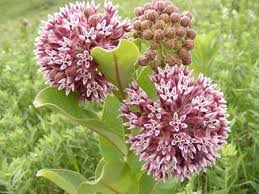
Produces upright stems with narrow green foliage and clusters of soft pink to cream flowers.
-
Native prairie plant with a naturally rugged, drought-tolerant character once established.
-
Ideal for native gardens, pollinator spaces, prairie landscapes, borders, and wildflower plantings.
-
Performs best in full sun with sandy, well-drained soil.
-
Milkweed flowers provide an important nectar resource for bees, butterflies, and other pollinating insects.
Growing Benefits
-
Adds native prairie character and seasonal color to garden landscapes.
-
Supports pollinator-friendly planting designs.
-
Well suited to dry, sunny areas with well-drained soil.
-
Adds vertical structure and texture to native plant gardens.
-
A distinctive choice for gardeners creating wildlife and naturalized spaces.
Seed Specifications
-
Common Name: Sand Milkweed
-
Botanical Name: Asclepias arenaria
-
Plant Type: Herbaceous perennial
-
Colors: Cream, greenish-white, or pink-tinged flowers
-
Height: Approximately one to three feet
-
Sunlight: Full sun
-
Soil: Sandy, dry to moderately dry, well-drained soil
-
Water: Low to moderate once established
-
Germination Time: Approximately fourteen to thirty days under favorable conditions
-
Sowing Depth: Surface sow or cover very lightly
-
Spacing: Approximately twelve to eighteen inches
-
Growing Zones: Generally USDA Zones three through nine
-
Flowering/Maturity: Generally blooms during summer
-
Uses: Native gardens, prairie plantings, pollinator gardens, wildflower areas, borders, and naturalized landscapes
Growing Tips
-
Choose a sunny location with excellent drainage, preferably sandy or light soil.
-
Surface sow or cover seeds only lightly because milkweed seeds can benefit from light exposure.
-
Cold stratification may improve germination for many milkweed seeds.
-
Allow plants time to establish before expecting vigorous perennial growth.
Seed Storage
Store unused seeds in a cool, dry, dark location. Keep them sealed in their original packet or an airtight container protected from moisture, heat, and direct sunlight.
Unique Facts About Seeds
-
Asclepias arenaria is commonly known as sand milkweed and is associated with sandy prairie and open habitats.
-
Milkweed plants are important host plants for monarch butterfly caterpillars.
-
After flowering, milkweed can produce distinctive seed pods containing silky-haired seeds designed for wind dispersal.
-
The plant belongs to the Apocynaceae family.