


Key Features
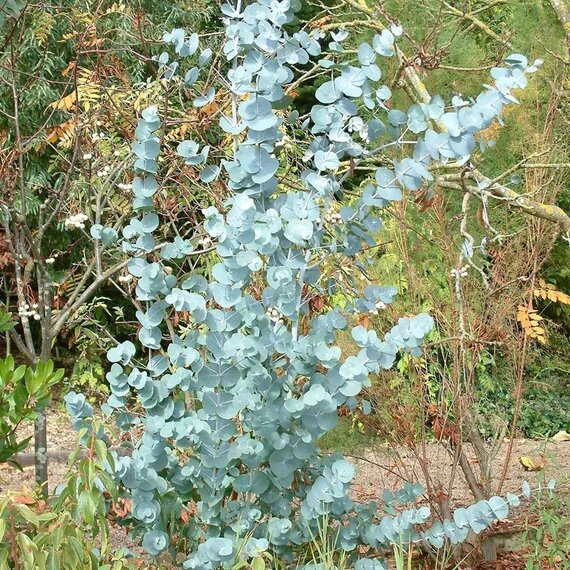
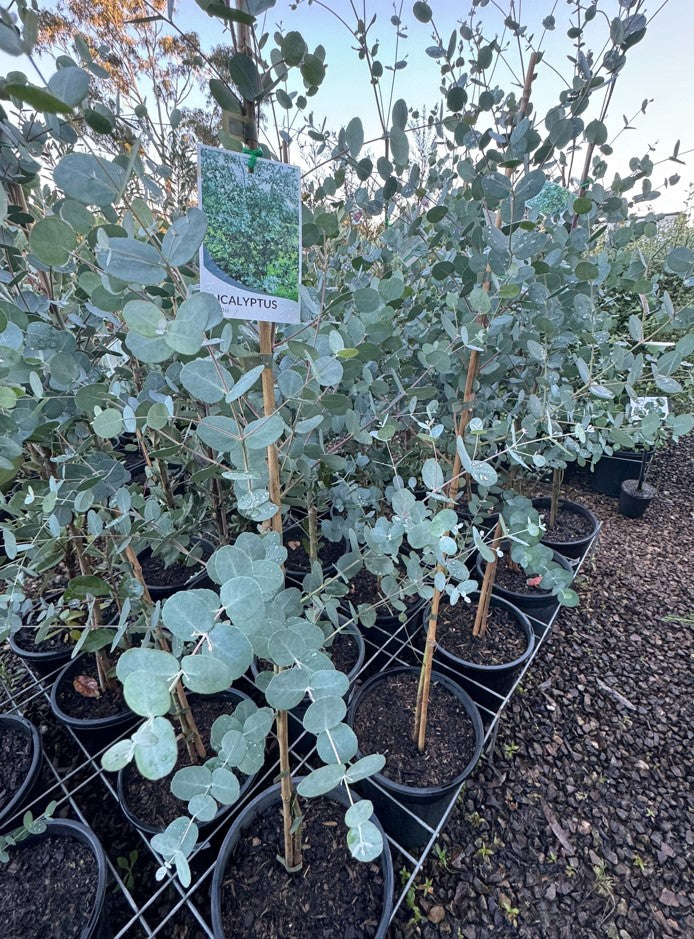
- Evergreen eucalyptus tree with rounded, aromatic blue-green juvenile foliage.
- Produces small white flowers in mature plants under suitable growing conditions.
- Upright growth habit makes it suitable for ornamental landscapes and garden borders.
- Attractive foliage is popular for fresh and dried floral arrangements.
- Native to Tasmania and naturally adapted to cool, highland environments.
Growing Benefits
- Adds distinctive blue-green foliage and year-round structure to the garden.
- Can provide attractive cut foliage for bouquets and decorative arrangements.
- Grows into an architectural evergreen tree when given suitable conditions.
- Performs well in full sun with well-drained, slightly acidic soil.
- Can be maintained through pruning when a more compact form is desired.
Seed Specifications
- Common Name: Apple Cider Eucalyptus, Cider Gum, Cider Tree
- Botanical Name: Eucalyptus gunnii
- Plant Type: Evergreen perennial tree
- Colors: Blue-green to grey-green foliage; white flowers
- Height: Commonly around twelve to fifteen metres in suitable conditions
- Sunlight: Full sun
- Soil: Well-drained, slightly acidic to neutral soil; loam, sand, clay, or chalk
- Water: Moderate during establishment; allow soil to drain well
- Germination Time: Approximately two to four weeks, depending on conditions
- Sowing Depth: Surface sow or cover very lightly; light supports germination
- Spacing: Allow generous spacing for mature tree development; around two metres or more for young plants
- Growing Zones: Generally suited to USDA Zones seven through ten, depending on local conditions
- Flowering/Maturity: Mature trees may flower after several years; full size can take many years
- Uses: Ornamental landscaping, garden specimen, cut foliage, dried arrangements, and containers when young
Growing Tips
- Surface sow the tiny seeds and avoid burying them deeply.
- Keep the seed-starting medium lightly moist without making it waterlogged.
- Provide bright light and good air circulation once seedlings emerge.
- Transplant carefully because young eucalyptus seedlings can be sensitive to root disturbance.
Seed Storage
Store seeds in a cool, dry, dark location in a tightly sealed container or moisture-resistant packet. Keep them away from humidity, direct sunlight, and excessive heat. Properly stored eucalyptus seed can remain viable for many years.
Unique Facts About Seeds
- Eucalyptus gunnii is native to Tasmania and is naturally found in highland environments.
- Its common name, Cider Gum, relates to the traditional use of its sap for making a cider-like drink.
- The species produces distinctive rounded, glaucous-blue juvenile leaves that become more elongated grey-green leaves as the tree matures.
- Its seeds are very small and benefit from light exposure during germination; some seed sources recommend cold stratification when germination is slow.