


Key Features
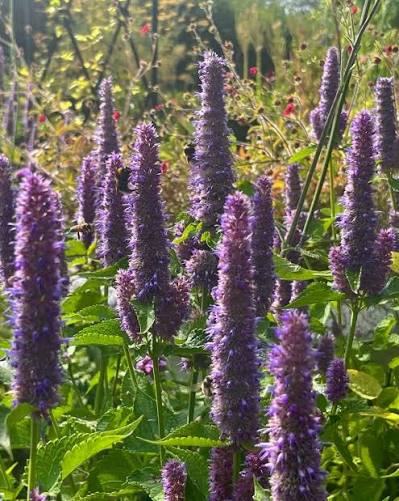
- Produces fragrant green foliage with attractive lavender-purple flower spikes.
- Upright perennial growth adds height and texture to herb and flower gardens.
- Ideal for herb beds, cottage gardens, borders, pollinator spaces, and prairie plantings.
- Performs best in full sun with well-drained soil.
- Aromatic leaves and colorful blooms add sensory and ornamental interest.
Growing Benefits
- Adds vertical color and texture to garden landscapes.
- Flowers attract bees, butterflies, and other beneficial pollinating insects.
- Fragrant foliage makes it an appealing choice for sensory and herb gardens.
- Works well in cottage, prairie, and naturalized garden designs.
- Provides seasonal blooms with relatively simple care once established.
Seed Specifications
- Common Name: Anise Hyssop
- Botanical Name: Agastache foeniculum
- Plant Type: Herbaceous perennial
- Colors: Lavender-purple flowers with green foliage
- Height: Approximately two to five feet
- Sunlight: Full sun
- Soil: Well-drained, moderately fertile soil
- Water: Moderate; avoid consistently wet soil
- Germination Time: Approximately seven to twenty-one days under favorable conditions
- Sowing Depth: Surface sow or cover very lightly
- Spacing: Approximately eighteen to twenty-four inches
- Growing Zones: USDA Zones three through eight
- Flowering/Maturity: Generally flowers during summer and may continue into early fall
- Uses: Herb gardens, cottage gardens, borders, pollinator gardens, prairie plantings, containers, and sensory gardens
Growing Tips
- Surface sow the small seeds and press them gently into the growing medium.
- Provide full sun and well-drained soil for healthy growth and flowering.
- Keep soil lightly moist during germination, then avoid excessive watering once plants establish.
- Remove faded flower spikes when desired to maintain a tidy appearance and encourage additional blooms.
Seed Storage
Store unused seeds in a cool, dry, dark location. Keep them in their original packet or an airtight container protected from moisture, heat, and direct sunlight.
Unique Facts About Seeds
- Anise hyssop belongs to the mint family, Lamiaceae.
- The foliage has a distinctive sweet, anise-like fragrance when crushed.
- Its tubular flowers are arranged in dense upright spikes that are attractive to bees and butterflies.
- Although called anise hyssop, it is not a true hyssop.