


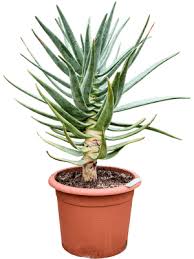
Grow Aloe Dichotoma from heirloom non-GMO seeds for an unusual branching form, blue-green succulent leaves, and striking architectural character. A distinctive choice for rock gardens, succulent collections, containers, and warm-climate landscapes.
Key Features
-
Develops a distinctive branching form resembling a small succulent tree.
-
Produces attractive blue-green leaves arranged in dense rosettes.
-
Heirloom, non-GMO seeds for specialty succulent gardening.
-
Ideal for rock gardens, containers, xeriscapes, and succulent collections.
-
Performs best in bright light and sharply drained soil.
-
Adds sculptural desert character to ornamental landscapes.
Growing Benefits
-
Creates dramatic vertical structure in succulent gardens.
-
Adds blue-green foliage to rock and gravel displays.
-
Works well as a specialty container-grown specimen when young.
-
Requires excellent drainage for healthy root development.
-
Offers a rewarding long-term project for patient succulent gardeners.
Seed Specifications
-
Common Name: Quiver Tree, Tree Aloe
-
Botanical Name: Aloe dichotoma
-
Plant Type: Evergreen succulent tree
-
Leaf Color: Blue-green to gray-green
-
Flower Color: Yellow to yellow-orange
-
Flower Shape: Tubular flowers arranged on branched flower stalks
-
Foliage: Fleshy, pointed leaves arranged in rosettes
-
Growth Habit: Upright, branching, tree-like
-
Sunlight: Full sun to bright partial shade
-
Soil: Gritty, sandy, sharply drained soil
-
Water: Low to moderate; allow soil to dry between established waterings
-
Germination Time: Approximately 14–30 days under favorable conditions
-
Sowing Depth: Surface sow or cover very lightly
-
Spacing: Provide ample room for mature plants; young seedlings can be grown individually
-
Growing Zones: Generally suited to warm, dry climates; protect from prolonged freezing conditions
-
Flowering/Maturity: Mature plants may require several years before flowering
-
Uses: Rock gardens, xeriscapes, succulent collections, containers, gravel gardens, and warm-climate landscapes
Growing Tips
-
Use a gritty, sharply draining seed-starting medium.
-
Provide bright light while gradually acclimating young seedlings to stronger sunlight.
-
Keep seedlings lightly moist during establishment without allowing the soil to remain saturated.
-
Protect young plants from freezing temperatures and prolonged wet conditions.
Seed Storage
Store unused seeds in a cool, dry, dark location. Keep them sealed in their original packet or an airtight container away from moisture, heat, and direct sunlight. Fresh seed is generally preferable for successful germination.
Important Growing Note
Aloe dichotoma is a distinctive tree-forming aloe native to dry regions of southern Africa. It is a long-lived, slow-growing succulent rather than a typical small houseplant. Mature size and flowering time depend on climate and growing conditions, and young plants require protection from unsuitable cold and excessive moisture.
Unique Facts
-
Aloe dichotoma is commonly known as the Quiver Tree because its branches were traditionally associated with making quivers.
-
The species develops a distinctive branching, tree-like silhouette as it matures.
-
Its blue-green leaves form dense rosettes at the ends of branches.
-
Mature plants can produce branched clusters of yellow to yellow-orange tubular flowers.
-
The species is adapted to dry environments and benefits from excellent drainage.