


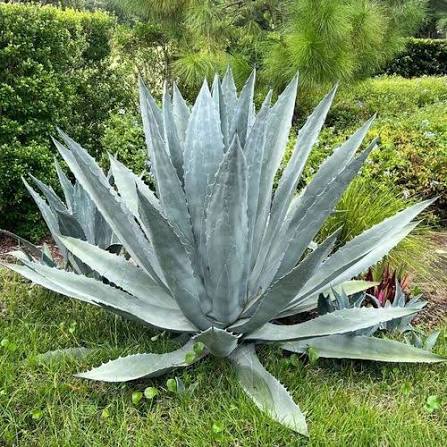
Grow Agave Kerchovei from heirloom non-GMO seeds for a striking succulent rosette with sturdy green to gray-green leaves. An excellent choice for rock gardens, containers, xeriscapes, and warm-climate landscape displays.
Key Features
-
Produces an attractive architectural rosette of sturdy succulent leaves.
-
Green to gray-green foliage adds distinctive desert-inspired character.
-
Heirloom, non-GMO seeds for specialty succulent gardening.
-
Ideal for rock gardens, containers, gravel beds, and xeriscapes.
-
Performs best in bright light and sharply drained soil.
-
Adds sculptural texture to dry and low-water garden spaces.
Growing Benefits
-
Creates bold architectural structure in succulent collections.
-
Adds rugged texture to rock and gravel gardens.
-
Works well in containers and sunny outdoor spaces.
-
Requires excellent drainage for healthy long-term growth.
-
Provides an interesting specialty plant for patient gardeners.
Seed Specifications
-
Common Name: Kerchovei Agave
-
Botanical Name: Agave kerchovei
-
Plant Type: Perennial succulent
-
Leaf Color: Green to gray-green
-
Flower Color: Yellow to greenish-yellow, depending on maturity
-
Flower Shape: Tubular flowers arranged along a tall flowering stalk
-
Foliage: Thick, rigid, pointed succulent leaves
-
Growth Habit: Upright, rosette-forming
-
Sunlight: Full sun to bright partial shade
-
Soil: Gritty, sandy, sharply drained soil
-
Water: Low once established; moderate during early growth
-
Germination Time: Approximately 14–30 days under favorable conditions
-
Sowing Depth: Surface sow or cover very lightly
-
Spacing: Approximately 18–24 inches for young plants, with additional room as plants mature
-
Growing Zones: Generally suited to warm, frost-limited climates; protect from freezing conditions
-
Flowering/Maturity: Mature plants may require several years before flowering
-
Uses: Rock gardens, xeriscapes, succulent collections, containers, gravel gardens, and warm-climate landscapes
Growing Tips
-
Use a gritty, sharply draining growing medium to prevent excess moisture around the roots.
-
Provide bright light and gradually acclimate young plants to stronger direct sunlight.
-
Water young seedlings carefully while allowing excess moisture to drain freely.
-
Protect plants from prolonged freezing temperatures and excessive winter moisture.
Seed Storage
Store unused seeds in a cool, dry, dark location. Keep them sealed in their original packet or an airtight container away from moisture, heat, and direct sunlight.
Important Growing Note
Agave kerchovei is a slow-growing succulent with rigid, pointed leaves. Exact mature size, flowering time, and appearance can vary with growing conditions and seed-grown variation. Handle mature plants carefully and choose a planting location away from high-traffic areas.
Unique Facts
-
Agave kerchovei belongs to the Asparagaceae family.
-
Agaves form rosettes of specialized succulent leaves that store water.
-
Mature agaves can produce a tall flowering stalk after reaching sufficient size.
-
Seed-grown agaves develop gradually and can take years to reach maturity.
-
Their architectural form makes them especially suitable for rock and gravel gardens.